blog
.avif)
Why Your Windows Look Dirty Right After It Rains in Texas
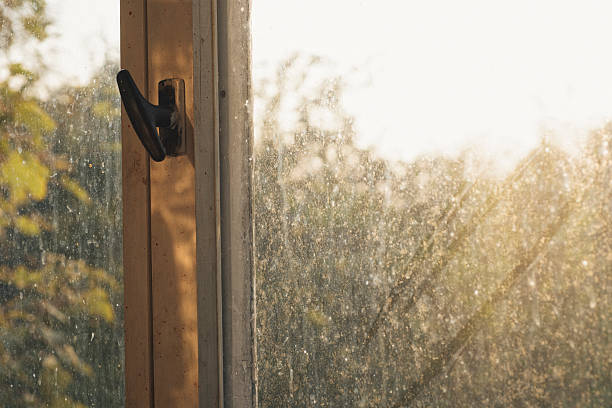
If you've ever looked at your windows the morning after a Texas rainstorm and thought they looked worse than they did before the rain, you're not imagining it. This is one of the most common and most frustrating window experiences homeowners have, and it has a straightforward explanation that also reveals a lot about why regular professional cleaning matters more in Texas than homeowners often realize.
Why Rain Makes Windows Look Worse Instead of Better
Rain Is Not Pure Water
The instinct that rain should clean windows makes intuitive sense: water falling from the sky should rinse away the dust and grime that accumulated since the last cleaning. The problem is that rain is not pure water. By the time a raindrop reaches your window, it has collected atmospheric particles, dust, pollen, and pollutants during its fall through the air, and it carries those collected particles directly onto your glass surface.
In Texas, where significant pollen counts and dust are facts of life for much of the year, rain falling through this particle-laden air arrives at your windows already carrying a meaningful load of contaminants. Rather than rinsing your windows, this rain deposits a fresh layer of dissolved atmospheric material on the glass as it hits and runs down the surface.
Hard Texas Water Leaves Mineral Deposits as It Dries
Even if rain arrived at your windows relatively clean, the mineral content of Texas water means it can't evaporate without leaving something behind. As covered in earlier guides, Texas water carries high concentrations of dissolved calcium and magnesium that remain on the glass surface when the water evaporates. Each raindrop that hits your window and evaporates leaves a microscopic mineral deposit, and a full rainstorm deposits thousands of these droplets across every window surface, each one leaving its mineral trace as it dries.
The characteristic white spotting and hazy film that appears on windows after rain in Texas is primarily this mineral deposit pattern, and it's most visible when sunlight hits the glass at an angle that makes the spots and haze obvious.
Rain Activates and Redistributes Existing Grime
Windows that already have accumulated grime, pollen film, and dust on their surface before a rainstorm don't get cleaned by the rain. They get mixed. The moisture activates and dissolves some of the existing surface contamination, which then runs down the glass in streaks and settles in concentrated lines at the lower edge of each pane. This redistribution of existing grime into visible streak patterns is often what homeowners notice most dramatically after rain, since the previously diffuse, relatively invisible haze of accumulated grime has been reorganized by the rain into obvious vertical streak lines that are much more visible than the original uniform distribution.
Splash-Up From the Ground Adds Soil Deposits
Heavy Texas rain hitting the ground near your home creates significant splashback that deposits soil particles, organic debris, and mud onto the lower sections of your windows. Ground-level windows and windows above hard surfaces like concrete and brick are particularly affected by this rain splashback mechanism, which explains why the bottom sections of windows often look dramatically worse after heavy rain than the upper sections that were only affected by direct rainfall.
Why Some Windows Look Worse After Rain Than Others
Windows Near Sprinkler Systems
As covered in earlier guides, windows that regularly receive sprinkler overspray develop mineral deposit patterns from the repeated cycle of water contact and evaporation. These windows look particularly bad after rain because the rain adds fresh mineral deposits on top of the accumulated sprinkler deposits that were already present, creating a compound mineral film that's more visually obvious than either source alone.
Windows Under Trees
Windows beneath tree canopies receive not just direct rainfall but also the throughfall and stemflow that trees generate, which is water that has contacted bark, leaves, and organic material before dripping onto surfaces below. This tree-contact water carries organic compounds, tannins, and biological matter that create distinctively dark, sometimes greenish staining patterns on windows under heavy tree coverage.
South and West Facing Windows in Afternoon Sun
Windows that receive direct afternoon sun dry fastest after rain, which means the mineral deposits from that rain are baked onto the glass surface more firmly than deposits on north-facing windows that dry more slowly in lower light conditions. These sun-exposed windows often show the most prominent mineral spotting patterns after a rain event precisely because of how rapidly and completely the mineral-laden water evaporates on their heated surfaces.
What Rain Does to Already-Clean Windows vs. Dirty Windows
The Critical Difference Professional Cleaning Makes
Here's the most practical insight from understanding the rain and window relationship: rain affects professionally cleaned windows very differently from dirty windows. Clean windows that have been professionally cleaned with purified water and that don't have accumulated grime and heavy mineral deposits still show some light mineral spotting after rain in Texas, but the effect is dramatically less severe than the same rain on windows with months of accumulated contamination.
The reason is straightforward: on clean windows, rain deposits a thin layer of fresh mineral material on an otherwise clear glass surface. On dirty windows, rain activates, redistributes, and compounds existing contamination in the streak-and-spot patterns that make the post-rain appearance so frustrating. The worse the pre-rain condition of the window, the worse the post-rain appearance tends to be.
Regular Cleaning Breaks the Cycle
Homeowners who maintain regular professional window cleaning find that post-rain window appearance is noticeably less severe than it was when their windows went longer between cleanings. This improvement reflects the fact that regular cleaning prevents the accumulation of the existing contamination layer that rain redistributes into visible streaks. Without that existing layer to activate and move around, rain's effect on clean windows is limited to the relatively minor fresh mineral deposits it directly delivers, rather than the dramatic streak patterns that result from rain disturbing months of accumulated grime.
What to Do When Your Windows Look Terrible After Rain
Don't Wait for the Next Rain to Fix It
A common instinct after noticing that rain made windows look worse is to wait and see if the next rain improves things. It won't. The next rain will deposit another layer of mineral material on top of the residue left by the previous rain, and the cycle of compounding deposits will continue making the windows progressively worse rather than better with each storm.
Professional Cleaning Addresses What Rain Cannot
The mineral deposits, redistributed grime streaks, and soil splashback that rain leaves behind require professional cleaning with mineral-dissolving treatment and proper squeegee technique to fully remove. Wiping the glass yourself after rain typically smears the mineral deposits and redistributed grime rather than removing them, often making the post-rain appearance worse rather than better.
Timing Professional Cleaning After a Significant Rain Event
If you've been considering scheduling professional window cleaning and a significant rainstorm has just left your windows looking particularly bad, this post-storm moment is actually an ideal time to schedule rather than a reason to wait. A professional cleaning shortly after a rain event that's left noticeable mineral deposits and streak patterns addresses the full accumulation in one service rather than waiting for additional deposits to compound the existing post-rain residue.

The Permanent Fix for the Post-Rain Window Problem
The frustration of windows that look worse after rain is ultimately a symptom of the same mineral-rich Texas water and accumulated grime conditions that make regular professional window cleaning particularly valuable in this climate. Clean windows maintained with regular professional service still show some post-rain mineral spotting but avoid the dramatic streak patterns and compounded contamination that make neglected windows look so visibly terrible after a Texas rainstorm.

Detail You Can See. Quality You Can Trust.
Contact Us


Find us on


