blog
.avif)
Why Your Windows Fog Up on the Inside and What It Means
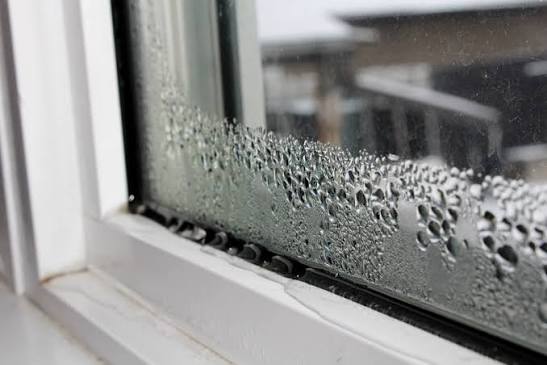
Foggy or misty windows are a common concern among Fort Worth homeowners, but the cause and significance of the fogging depends entirely on where the condensation is occurring: on the interior surface of the glass, between the panes of a double or triple-pane window unit, or on the exterior surface. Each situation has different causes, different implications, and different appropriate responses, and confusing them can lead to unnecessary concern about some situations or insufficient attention to others.
Interior Surface Condensation: The Most Common Type
What It Looks Like
Interior surface condensation appears as a misty, dewy film on the room-facing side of window glass that appears under specific conditions and typically clears as conditions change. It's wet to the touch, wipes away with a cloth, and leaves no permanent residue when it clears.
What Causes It
Interior surface condensation forms when warm, moist indoor air contacts a window glass surface that's cool enough to drop below the dew point of the air. The physics are the same as the condensation that forms on a cold glass of water on a humid day: when warm, humid air meets a cold surface, moisture precipitates out of the air onto that surface.
When It's Most Common in Texas
Interior condensation in Texas is most common during winter months when heating creates warm, humid indoor air that contacts windows cooled by winter outdoor temperatures, and in highly humid spring and summer conditions when home cooling creates cold window surfaces in contact with warm, humid indoor air, particularly near air conditioning vents that direct cold air toward window surfaces.
What It Means for Your Windows and Your Home
Interior surface condensation is not inherently a problem with the windows themselves. It's a response to the relationship between indoor humidity, indoor temperature, and window surface temperature. Persistent interior condensation that you find concerning can be reduced by managing indoor humidity levels, improving ventilation, or addressing air circulation that keeps cold air from concentrating against window surfaces.
The Cleaning Connection
Windows that experience regular interior condensation develop their own cleaning needs from the mineral deposits that condensation water leaves behind as it dries, the mold-friendly conditions that persistent moisture in sill and frame areas creates, and the streaking patterns that repeated condensation cycles create on the glass surface. These condensation-related deposits are among the buildup types that professional interior window cleaning specifically addresses.
Between-Pane Fogging: The Window Failure Situation
What It Looks Like
Fogging between the panes of a double or triple-pane window unit appears as a hazy, milky, or misty appearance inside the window unit itself, between the glass layers rather than on either surface. Critically, this fogging cannot be wiped away because it's between the sealed panes rather than on an accessible surface. It may appear and disappear with temperature and humidity changes, or it may be persistent.
What Causes It
Double and triple-pane window units are sealed with a desiccant material between the panes that absorbs moisture and maintains a dry gas fill (usually argon or air) between the glass layers. When the window seal fails, outdoor moisture enters the space between the panes, and when this moisture condenses on the interior glass surfaces between the panes, it creates the characteristic between-pane fogging. Once the seal has failed, the desiccant is exhausted and the fogging becomes a permanent feature of that window unit.
What It Means
Between-pane fogging is a window seal failure that cannot be resolved through cleaning. The failed seal has reduced the window unit's insulating efficiency and the fogging will persist or worsen rather than resolving on its own. Window seal failure typically requires either replacement of the insulated glass unit (the glass assembly within the frame) or replacement of the complete window unit, depending on the age of the window and the availability of replacement glass units for that specific frame.
What to Do
If you're seeing between-pane fogging, the appropriate response is consulting a window professional about glass unit replacement rather than a window cleaning service, since cleaning cannot address this type of fogging. Some window manufacturers provide warranty coverage for seal failures within certain periods, making warranty verification a useful first step before pursuing paid repair.
Exterior Surface Condensation: Normal and Harmless
What It Looks Like and Why It Happens
Exterior surface condensation appears on the outdoor-facing glass surface in specific conditions: typically on cool, humid mornings when window glass that's been insulated from heat by a high-quality low-E coating has cooled overnight to below the outdoor dew point. This is actually a sign of a well-performing insulating window, since the glass is cool enough to produce condensation only because it's effectively preventing heat transfer through the window.
No Action Required
Exterior surface condensation is normal, harmless, and clears naturally as outdoor temperatures rise and sun warms the glass surface. It requires no intervention and is not a sign of any problem with the windows.

Getting the Right Help for Your Specific Situation
Understanding which type of fogging you're dealing with, interior surface condensation that's normal and manageable, between-pane fogging that requires window repair, or exterior condensation that's a sign of good window performance, points you toward the appropriate response and prevents unnecessary concern or inappropriate service choices for each situation.
Schedule your window cleaning quote here.

Detail You Can See. Quality You Can Trust.
Contact Us


Find us on


