blog

Why Spider Webs Keep Appearing Around Your Front Door in Fort Worth
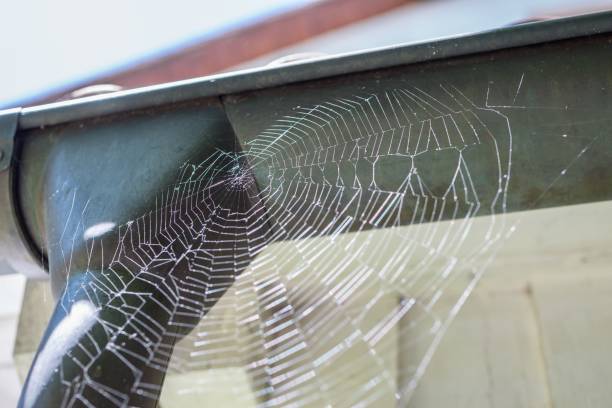
Of all the places spider webs appear on a home’s exterior, the front door area is the one that bothers homeowners most consistently and most personally. It’s the spot you interact with multiple times every single day, the first thing guests encounter when they arrive, and the area that shapes the immediate impression your home makes on anyone who visits. And yet for many Fort Worth homeowners, it’s also the spot where webs reappear fastest and most reliably, sometimes within days of being cleared.
Understanding exactly why your front door is such a prime web-building target is the first step toward managing the problem more effectively than simply knocking webs down whenever they become too noticeable to ignore.
Why Your Front Door Is Premium Web-Building Territory
The Overhead Light Is the Root of the Problem
In the vast majority of Fort Worth homes, the front door area includes at least one exterior light fixture positioned either directly above the door or flanking the entry. These fixtures run for hours every evening, and as covered in earlier guides, exterior lighting is the single most direct driver of concentrated insect activity on a home’s exterior.
Flying insects drawn to your porch light congregate in the immediate area around and below the fixture throughout the evening hours. Spiders are acutely aware of where their food supply concentrates, and a light fixture with a reliable nightly insect gathering is one of the most attractive web-building opportunities available anywhere on your home’s exterior. The result is that spiders specifically seek out positions near your entry light because that’s where the eating is best, and they rebuild in those positions as fast as webs are removed because the food supply that attracted them there in the first place hasn’t changed.
The Covered Entry Creates Ideal Shelter
Most Fort Worth homes have some form of covered entry, whether a full porch, a simple overhang above the door, or an architectural roof element that extends over the entry area. This overhead coverage creates exactly the sheltered, protected environment that web-building spiders prioritize when selecting building locations.
A covered entry provides protection from rain that would destroy a web, wind reduction that allows webs to remain intact longer, and the shaded, cooler conditions that spiders prefer for their retreat areas. From a spider’s perspective, the combination of a nearby light source that concentrates food and an overhead structure that protects the web creates near-ideal conditions in a very small geographic area, which is why web activity concentrates so heavily at this specific location compared to other parts of your home’s exterior.
The Door Frame Provides Perfect Anchor Points
Web-building spiders need anchor points at appropriate distances to attach their webs. Door frames provide multiple anchor points in close proximity, including the vertical frame sides, the horizontal header above the door, the light fixtures mounted nearby, and any decorative elements or hardware attached to the entry. This density of anchor points in a small, sheltered area makes front entries structurally ideal for web construction in ways that open exterior wall sections without this anchor point density are not.
Minimal Disturbance During Nighttime Building Hours
Spiders are primarily active web builders during overnight hours when you’re inside and not disturbing the entry area. Your front door gets heavy traffic during daytime hours but sits essentially undisturbed from late evening until morning, which is precisely when web-building activity is most intense. This overnight undisturbed window allows spiders to build and occupy their webs before you encounter them the next morning, creating the pattern where webs seem to appear overnight rather than gradually accumulating in a way you’d notice building.
Why Knocking Webs Down Yourself Doesn’t Solve It
The Location Stays Attractive Regardless of What You Do to the Web
Every time you knock down the web above your front door, you’re addressing the web without changing any of the conditions that made that location attractive in the first place. The light still concentrates insects in that spot. The overhang still provides shelter. The door frame still provides anchor points. The overnight disturbance-free window still allows building. The next spider that evaluates your entry finds exactly what the previous one found and makes the same building decision.
This is why homeowners who knock down front door webs regularly often find themselves doing it every few days throughout the warmer months with no apparent reduction in the rate of reappearance. You’re managing the symptom without addressing the conditions driving the behavior.
Egg Sacs in Protected Spots Sustain the Population
The corners of door frames, the space behind light fixture housings, and the junction where the door header meets the wall above the door are exactly the protected, sheltered spots where spiders preferentially place egg sacs. These locations are sheltered enough that egg sacs placed there often survive even regular web removal by homeowners who knock down visible webs but don’t specifically search for and address the egg sacs placed in the most protected corners and recesses.
Egg sacs that survive web removal efforts hatch and add fresh spiders to the population around your entry within weeks, which is why consistent homeowner web removal sometimes doesn’t reduce the overall population activity level at this location even when it temporarily clears the visible webs.
What Actually Reduces Front Door Web Activity
Switch Your Entry Light to a Yellow or Warm LED Bulb
This single change, replacing your entry light bulb with a yellow LED or warm-spectrum LED, reduces the insect concentration near your entry light more effectively than any other single step available to you. As described in the porch light guide, shorter-wavelength white light attracts significantly more flying insect species than the longer wavelengths that yellow-toned bulbs emit. Fewer insects at your entry light means less food supply for spiders building near it, which directly reduces the web-building incentive at your most-used entry point.
This change doesn’t eliminate spider activity at your entry entirely, since the shelter and anchor points remain. But it meaningfully reduces the food-supply driver that makes your entry light specifically the most attractive web-building location on your home’s exterior, which translates into slower reappearance after removal and generally reduced activity at this location over time.
Professional Removal That Specifically Addresses Egg Sacs
The most durable improvement in front door web activity comes from professional removal that specifically addresses egg sacs in all the protected spots around your entry where they’re placed, not just the visible webs in open areas. This targeted approach to the egg sac population interrupts the reproductive cycle rather than just clearing the current adults, which produces longer-lasting results than web-only removal that leaves the next generation in place.
The corners of your door frame, the area behind and around your light fixture housing, the junction between the overhead entry structure and the wall, and any other protected crevices around your entry are the specific locations where professional removal should focus egg sac attention.
Consider Motion-Activated Entry Lighting
Switching from continuously-on entry lighting to motion-activated lighting reduces the total hours per night that insects are attracted to your entry area. A light that runs all night concentrates insect activity for eight or more hours. A motion-activated light that runs for a few minutes when triggered concentrates insects only during those brief active periods. This reduction in total light-on time meaningfully reduces cumulative insect concentration and subsequent spider food availability at your entry, even when the bulb type remains the same.
Why Your Entry Specifically Deserves Regular Professional Attention
Front door web activity is the exterior spider web problem that most directly affects your daily life and the impression your home makes on everyone who visits. Unlike web accumulation in high eave areas that you might not notice or encounter daily, front door webs are in your face every morning and in your guests’ faces every time they arrive.
At Phillips Exterior Cleaning, full removal of webs, nests, and insect buildup from eaves, corners, and all exterior surfaces specifically includes the front door area and all its most active web-building locations, the light fixtures, the frame corners, the entry ceiling, and the protected spots above and around the door where egg sacs concentrate. Comprehensive attention to this specific area, combined with the lighting modifications described above, keeps your home’s most personal exterior space in the clean, welcoming condition it deserves to be in.

Request your spider web and bug removal quote here.

Detail You Can See. Quality You Can Trust.
Contact Us


Find us on


