blog
.avif)
Why Removing Christmas Lights Yourself After Professional Installation Is Harder Than It Sounds
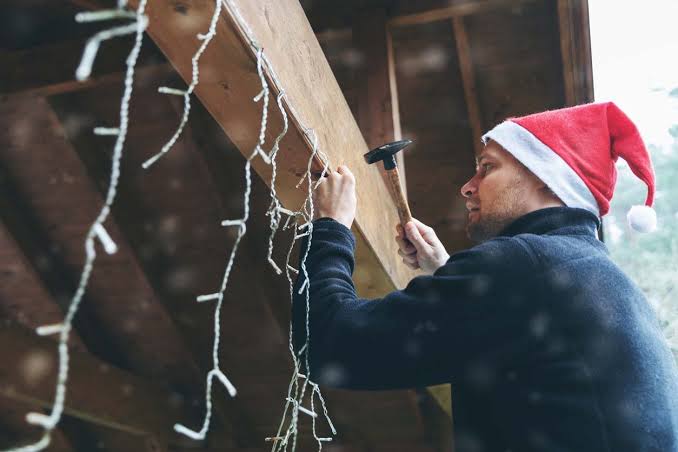
Every year, a small number of homeowners who invested in professional Christmas light installation decide to handle the removal themselves once the holiday season ends. The reasoning usually sounds sensible: the holidays are over, the lights are already up, taking them down seems straightforward, and skipping the removal service feels like a way to save some money or simply get it done on their own schedule without waiting for the installer to return.
What most of these homeowners discover is that removing professionally installed Christmas lights is meaningfully more involved than they anticipated, and that the DIY removal attempt frequently creates problems that the professional removal service was specifically designed to prevent. Here's what actually happens when homeowners tackle this on their own.
What Professional Installation Actually Involves
Clip Systems Designed for Professional Removal
Professional Christmas light installation uses clip-based attachment systems specifically designed to secure lights without penetrating roofing material, siding, or gutters. These clips are engineered to be installed and removed in specific ways that protect the materials they're attached to. A homeowner unfamiliar with how these specific clips work often removes them in ways that stress the attachment points unnecessarily, sometimes damaging gutters, trim, or fascia in the process.
Commercial-Grade Wiring and Connection Systems
Professional installations use commercial-grade wiring with connection systems that are more robust than consumer string lights and that connect together in specific sequences that affect how the system powers on and performs throughout the season. These connections aren't just plug-and-play the way consumer lights are. They're configured specifically for the display as installed, and removing them without understanding the configuration can create tangles, damage connections, and leave you with a disorganized pile of wiring that's genuinely difficult to sort out for future seasons.
The Physical Scope of a Full Property Display
A professionally installed display that covers the full roofline of a typical Fort Worth home, including any tree or landscaping elements, represents significantly more physical work than it looks like from the ground. What appears from the street as a clean, elegant display involves dozens of carefully placed clip connections, extension runs configured around the roof's geometry, multiple power connection points, and potentially hundreds of feet of wiring managed in a specific way that makes the display work cleanly.
Removing all of this properly, in a way that preserves the lighting for future seasons and doesn't damage the home, is a more involved physical task than the tidy appearance of the finished display suggests.
What Typically Goes Wrong With DIY Removal
Gutter Damage From Improper Clip Removal
This is the most common and most frustrating outcome of DIY removal attempts. The clips used in professional installation attach to gutters in specific ways, and removing them correctly requires knowing the specific release mechanism for the clip type used. Homeowners who don't know the release mechanism tend to use force to remove clips that aren't releasing easily, and gutters, particularly older or lighter-gauge gutters, are vulnerable to bending, crimping, and connection point damage when clips are pried or yanked rather than released correctly.
A bent or damaged gutter section that results from an improper clip removal attempt costs significantly more to repair or replace than the removal service would have cost, making the apparent saving from DIY removal a false economy.
Roofing Material Damage
Clips that attach to roofline elements, particularly those near shingles or flashing, require careful removal technique that accounts for the vulnerability of roofing material to leverage and stress. Homeowners working on a roofline in January, in cold conditions and uncomfortable ladder positions, often don't take the careful, controlled approach that roofing material requires, and the result can be small but genuine damage to shingles or flashing that contributes to future water intrusion issues.
Light Strand Tangling and Connection Damage
Commercial-grade light strands need to be removed in a specific sequence and coiled or stored in specific ways to prevent the tangling that makes them difficult to use in subsequent seasons. Without knowing the configuration of the installed system, homeowners removing lights without guidance tend to pull strands in whatever direction is most convenient, which creates tangles at connection points, stresses wiring at bends and connections, and results in a storage situation that makes next season's installation significantly more difficult and time-consuming.
Connection damage from improper removal is one of the most common causes of sections failing in the first week of subsequent season installation, when the stressed connection points from a rough removal finally fail under operational load.
Unsafe Ladder Work in January Conditions
January is not a hospitable month for ladder work in Fort Worth. While Texas winters are mild compared to much of the country, January brings cold temperatures, occasional frost, and the general discomfort of extended outdoor work in cold conditions. Homeowners on ladders in January are working in conditions that encourage rushing to finish and get back inside, and rushing on a ladder for removal work is precisely the mindset that contributes to the falls and injuries that make holiday light work one of the more dangerous home maintenance activities.
The same safety argument that applies to DIY installation applies equally to DIY removal. The risk is present in both directions, and removing lights in January cold adds the additional factor of wanting the discomfort to be over quickly.
What Professional Removal Actually Does
Systematic Sequence That Protects the Lighting
Professional removal follows the reverse of the installation sequence, removing connections and clips in the specific order that releases each section cleanly without stress to connection points or mounting surfaces. This systematic approach is how commercial-grade lighting is preserved for multiple seasons of use rather than degraded by rough handling during removal.
Proper Coiling and Storage Preparation
Lighting removed professionally is coiled and organized in ways that prevent the tangling and connection stress that makes next season's installation more difficult. Whether the lighting is stored by the installer for reuse or returned to the homeowner for storage, properly organized lighting coils are ready for use next season rather than requiring time-consuming detangling before installation can even begin.
Your Home Is Left Clean and Ready
Professional removal leaves your home's exterior in clean condition after the holiday season, with no clip residue, no stray zip ties, and no other installation remnants that can be easy to leave behind when rushing through a DIY removal in the cold. This clean completion is part of what full-service installation means: the season begins with installation and ends with removal, leaving your home exactly as it was before the holiday display went up.
The Included Removal Advantage
At Phillips Exterior Cleaning, removal is included with every Christmas light installation. This isn't a separate service to schedule or an additional cost to budget for. It's built into the service from the beginning, which means the entire holiday lighting experience, from design consultation through the final takedown in January, is handled professionally without any portion of the process falling back on you.
The decision to let the same professionals who installed your display handle its removal isn't just about convenience, though the convenience is real and significant. It's about protecting the investment you made in quality lighting and professional installation by ensuring that every phase of the service cycle is handled with the same expertise as the installation itself.

Let the People Who Put It Up Take It Down
The people who installed your display know exactly how it was put together, which clips go where, how the connections are configured, and what sequence of removal protects both the lighting and your home. That knowledge has genuine value that translates directly into a cleaner removal, better-preserved lighting, and a home that comes through the holiday season without any unintended damage from a DIY takedown that turned out to be more complicated than it looked.
Schedule your Christmas light installation and removal today.

Detail You Can See. Quality You Can Trust.
Contact Us


Find us on


