blog
.avif)
What to Do When Spiders Keep Coming Back After Removal
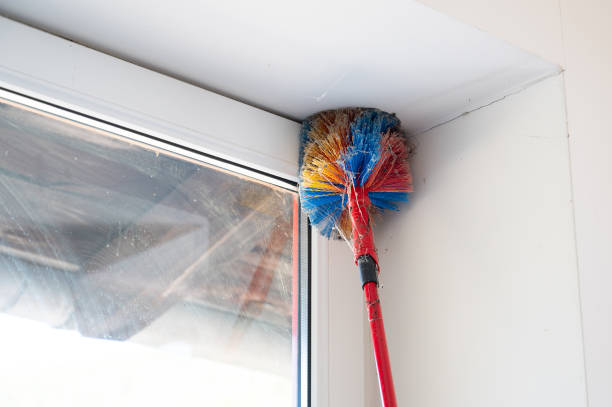
One of the most frustrating experiences a homeowner can have after scheduling professional spider web removal is watching webs reappear within days or weeks in the exact same locations that were just cleared. If this has happened to you, the natural reaction is to wonder whether the removal service was effective, whether something is wrong with your property specifically, or whether spider web management is simply a losing battle. The reality is more nuanced than any of those conclusions, and understanding why webs come back so reliably in specific locations is the key to managing the problem more effectively.
Why Webs Reappear So Quickly in the Same Spots
Location Quality Drives Repeated Building
Spiders don't randomly choose where to build their webs. They select locations based on specific characteristics: shelter from wind and weather, proximity to insect food sources, appropriate anchor points for the web structure, and minimal disturbance from human activity. When a location has these qualities, it's genuinely valuable real estate from a spider's perspective, and removing the web doesn't change the location's underlying quality.
A porch corner immediately adjacent to an exterior light fixture is a premium web-building location because it offers shelter, anchor points, and a reliable insect food source all in one spot. Removing the web from this corner doesn't make the corner less sheltered, doesn't move the light fixture, and doesn't reduce the insect activity the light attracts. The next spider to evaluate that corner finds exactly what the previous one found and makes the same building decision.
New Spiders Move Into Vacated Territory
Beyond existing spiders rebuilding, vacated web locations attract new spiders that recognize the same location qualities. Spiders that are actively searching for web sites respond to anchor points left by previous webs, chemical signals left by previous occupants, and the general environmental characteristics of the location in ways that make previously occupied sites attractive to new builders.
Egg Sacs Left Behind Continue the Population
If removal service doesn't specifically address egg sacs in all their sheltered locations, the population driving future web activity is never fully interrupted. Egg sacs in deep eave corners, behind light fixtures, and in other protected spots can contain dozens to hundreds of spider eggs, and a single missed egg sac generates a fresh crop of web-building spiders within weeks of a removal service that left it in place.
The Difference Between a Location Problem and a Service Problem
Rapid Reappearance in the Same Spots Is Usually a Location Problem
If webs return quickly in the same specific locations, particularly near light fixtures, in eave corners, and on porch ceilings, this typically reflects the genuine attractiveness of those locations rather than a problem with the removal service. The service cleared what was there. The location's qualities are drawing new activity.
Incomplete Removal Shows Different Patterns
Incomplete removal service typically shows different patterns than location-driven rapid reappearance. Incomplete service tends to leave obvious untouched areas rather than producing cleared areas that quickly refill. If webs appear to have never been removed in certain sections rather than having been removed and quickly rebuilt, that's a service completeness concern rather than a location quality issue.
What Actually Reduces the Reappearance Rate
Addressing the Insect Concentration That Attracts Spiders
The most direct way to slow web reappearance in specific locations is reducing the insect activity that makes those locations valuable. As covered in the porch light and bugs guide, switching exterior lighting to yellow or warm LED bulbs reduces the flying insect concentration near light fixtures that provides the food supply driving web-building activity in those specific locations. Less food means less incentive for spiders to invest web-building effort in that location, which translates directly into slower reappearance.
More Frequent Service Intervals During Peak Activity Seasons
During North Texas's peak spider activity seasons, particularly summer and early fall, the interval between professional removal and visible web reappearance may be shorter than at other times of year simply because more spiders are active and more web-building is happening. Scheduling removal more frequently during these high-activity periods maintains a cleaner exterior rather than waiting for the same severe buildup to develop between widely spaced service visits.
Sealing Entry Points and Crevices
Gaps around light fixtures, crevices between different building materials, and openings in soffits and eave areas where spiders retreat and place egg sacs can sometimes be sealed or addressed in ways that reduce the sheltered habitat value of specific high-activity locations. This isn't always practical for all locations, but where specific spots are driving repeated activity, addressing the physical characteristics that make them attractive is more permanently effective than simply clearing them repeatedly.
Consistent Ongoing Service Rather Than Reactive One-Time Visits
The most effective approach to spider web management on a residential property isn't a single comprehensive removal followed by hoping for permanent results. It's consistent ongoing service at appropriate intervals that keeps accumulation from reaching severe levels and addresses new activity before it becomes established. This approach accepts that some level of web-building activity will continue on a North Texas property and focuses on managing that activity to consistently acceptable levels rather than attempting permanent elimination that the local pest environment doesn't realistically allow.

Setting Realistic Expectations
Spiders returning after professional removal is not a sign that the service failed or that your property has an unusual problem. It's a reflection of how abundant and active the spider population is in North Texas and how consistently attractive well-lit, well-sheltered home exteriors are to web-building species in this environment. The goal of professional removal service is not permanent elimination but consistent management that keeps your home's exterior from reaching the levels of accumulation that make daily life on your property uncomfortable and your home's presentation noticeably affected.

Detail You Can See. Quality You Can Trust.
Contact Us


Find us on


