blog
.avif)
What to Do Immediately After Power Washing Your Driveway
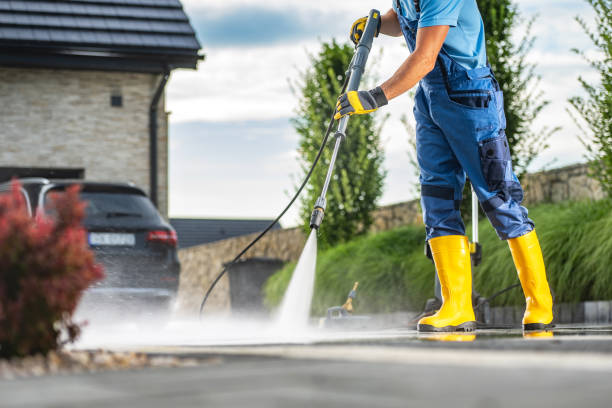
Professional driveway power washing delivers a dramatic result that most homeowners want to protect for as long as possible. The decisions you make in the hours and days immediately following a professional cleaning have a direct and meaningful impact on how long those results last before significant reaccumulation occurs. Most homeowners don't think about post-cleaning care at all, simply resuming normal driveway use as soon as the surface looks dry. Here's why that approach leaves results on the table and what a better post-cleaning approach actually looks like.
The Critical First Hours After Cleaning
Give the Surface Adequate Drying Time Before Normal Use
This is the most important and most commonly ignored post-cleaning step. Professional power washing saturates concrete with water and cleaning solution during the service, and that moisture needs adequate time to fully evaporate from the surface and the pore structure before the driveway returns to normal use.
Driving vehicles across a freshly washed concrete surface before it has fully dried can leave tire tracks and pressure marks in the still-soft surface contamination layer, deposit fresh tire compounds from warm tires onto the clean surface, and in the case of concrete that's been treated with degreasing agents, potentially affect how evenly the cleaning results appear once the surface fully dries.
In Texas's warm climate, surface drying typically happens relatively quickly, but full pore-level moisture evaporation takes longer than surface appearance suggests. A driveway that looks dry on top may still retain significant moisture within the concrete's depth, and allowing at least several hours of drying time before heavy vehicle use is worthwhile.
Keep Vehicles Off Until the Surface Is Completely Dry
If you've scheduled sealing immediately following cleaning, this drying window is non-negotiable rather than simply preferable. Sealant applied to concrete that still retains moisture in its pores traps that moisture beneath the coating, leading to cloudy, milky, or poorly adhered sealant that fails prematurely rather than providing the protection it's designed to deliver.
Even without immediate sealing, allowing the surface to fully dry before resuming normal vehicle use protects the cleaning results from the fresh contamination that vehicle contact on a still-damp surface can introduce.
The Sealing Decision: The Most Impactful Post-Cleaning Choice
Why the Post-Cleaning Window Is the Ideal Time to Seal
As covered in the concrete sealing guide, the period immediately after professional power washing is the optimal time to apply a concrete sealant, and this timing relationship is worth reemphasizing here because it's the single most impactful decision you can make to extend the duration of your cleaning results.
Freshly cleaned concrete has open pores free of the contamination that was just removed, the surface is as clean as it will ever be until the next professional cleaning, and applying sealant now creates a protective barrier before any new contamination has the opportunity to penetrate the pore structure. The window between professional cleaning completion and the beginning of new surface contamination is narrow, which is why scheduling sealing in the days immediately following cleaning rather than weeks later captures the full protective benefit.
What Sealing Actually Protects Against
A properly applied concrete sealant after cleaning creates a barrier that meaningfully slows the reabsorption of oil drips, the penetration of new biological growth roots, and the mineral deposit accumulation from rain and sprinkler overspray that gradually build back up on an unsealed surface. The result is not a permanently clean driveway but a driveway that stays cleaner longer between professional cleaning visits, reduces the severity of contamination that reaccumulates, and allows future cleaning to be more thoroughly effective because contamination is sitting on the sealant rather than embedded in the concrete.
Keeping the Driveway Clean in the Days Immediately After Service
Address Fresh Drips Immediately Before They Penetrate
The days and weeks immediately following a professional cleaning are when the concrete is most vulnerable to fresh contamination penetrating quickly, since the pore structure has been thoroughly opened by the cleaning process. Any vehicle fluid drips that occur in this period should be addressed promptly rather than left to sit, since fresh drips on freshly cleaned concrete penetrate more readily than drips on a surface with some existing protective buildup.
Keeping a simple degreaser accessible in the garage after a professional cleaning and addressing any fresh drips within the first day or two prevents these new deposits from setting before the surface either fully dries and recontaminates naturally or receives a sealant application.
Redirect Sprinklers Away From the Driveway in the Days After Cleaning
Irrigation systems that regularly spray onto your driveway surface deposit fresh mineral residue with each watering cycle. In the days immediately after a professional cleaning, redirecting sprinkler heads that contact the driveway prevents a fresh layer of mineral deposits from beginning to accumulate before the cleaning results have even had a chance to be fully appreciated.
Keep Leaves and Organic Debris Cleared
Organic debris from nearby trees that falls onto a freshly cleaned driveway begins its staining and moisture-trapping process from the first contact with the clean surface. Keeping the driveway cleared of fallen leaves, seed pods, and other organic material in the days and weeks after cleaning slows the organic staining and moisture retention that would otherwise begin contributing to new biological growth relatively quickly after service.
Managing Expectations About How Long Results Last
Results Duration Varies Significantly Based on Conditions
A freshly cleaned driveway in heavy shade with active tree coverage, regular irrigation contact, and high vehicle traffic will reaccumulate contamination faster than a driveway in full sun with no irrigation contact and moderate traffic. The post-cleaning steps above meaningfully extend results under any conditions, but they can't fully offset the environmental factors that determine your driveway's specific accumulation rate.
Sealed Driveways Last Significantly Longer
The clearest predictor of how long your power washing results will remain noticeable is whether the driveway receives a quality sealant application after cleaning. Sealed driveways consistently maintain their cleaned appearance significantly longer than unsealed driveways under the same conditions, which is why the sealing decision described above is the single most impactful post-cleaning choice available to you.
Regular Maintenance Cleaning Is Easier Than Catch-Up Cleaning
The longer post-cleaning maintenance steps are maintained and the longer the interval before next professional cleaning, the more significant the catch-up cleaning required at the next service visit. Consistent maintenance habits after each professional cleaning extend the results of that cleaning while also reducing how intensive the next professional service needs to be, creating a compounding benefit where good post-cleaning habits make each subsequent service more effective and more affordable.

Protect the Investment You Just Made
Professional driveway power washing delivers a result worth protecting, and the steps described above protect it more effectively than simply resuming normal use and hoping the results last. Adequate drying time, sealing during the optimal post-cleaning window, prompt attention to fresh drips, and consistent debris management together extend how long your driveway maintains the clean, restored appearance that professional cleaning delivers.
Request your power washing quote here.

Detail You Can See. Quality You Can Trust.
Contact Us


Find us on


