blog
.avif)
What Are Eaves and Soffits and Why Do They Collect So Many Webs?
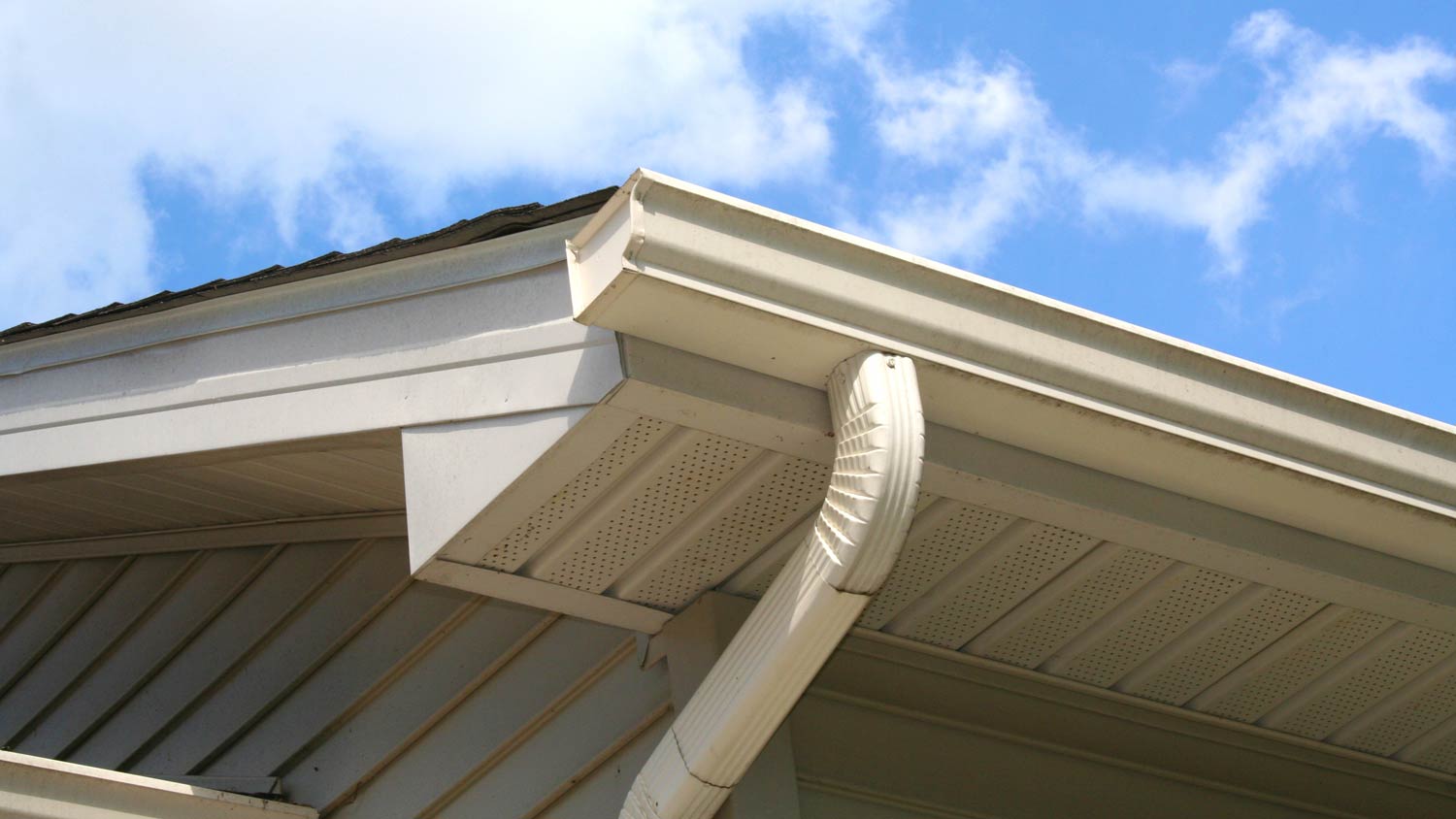
If you've ever looked up at the underside of your roofline and seen heavy web accumulation concentrated in specific areas, you've observed something that most homeowners notice but fewer fully understand: certain architectural features of a home's exterior are dramatically more attractive to web-building spiders than others. Eaves and soffits top this list, and understanding why helps explain both why web buildup concentrates in these areas and why thorough professional removal specifically addresses them rather than just the most visible ground-level areas.
What Eaves and Soffits Actually Are
Eaves
The eave is the lower edge of a roof that overhangs beyond the exterior wall of the home. This overhang serves a functional purpose, directing rainwater away from the home's foundation and walls, but its physical characteristics, a sheltered overhang creating a protected zone immediately above the exterior wall, also make it one of the most consistently attractive areas on any home for web-building spiders.
Soffits
The soffit is the finished underside surface of the eave overhang, the horizontal panel or surface that covers the structural elements beneath the roof's edge. Soffits typically include ventilation openings that allow airflow into the roof structure, and these openings, combined with the enclosed, protected nature of the soffit surface itself, create particularly attractive conditions for pest activity.
The Zone Between Eave and Wall
The junction where the eave meets the top of the exterior wall, including any fascia boards, gutters, and the transition between wall and roofline, creates corners and crevices that function as premium web-building real estate given their combination of shelter, elevation, and proximity to insect activity drawn to exterior lighting.
Why Spiders Find Eaves and Soffits So Attractive
Protection From Wind and Weather
Web-building spiders need their webs to remain intact long enough to catch prey, which means they need locations protected from the wind and rain that would otherwise destroy a web within hours of construction. The underside of eaves and soffits provides exactly this protection, sitting beneath the overhanging roofline in a sheltered zone where wind velocity is dramatically lower than in exposed locations and where rain doesn't directly hit the surface.
Proximity to Exterior Lighting
Most homes mount exterior lighting at or near the roofline, either as eave-mounted fixtures or as lights attached to the fascia above entries. These light fixtures attract flying insects, and spiders reliably build webs near insect concentrations. The physical proximity of eave and soffit areas to these lighting fixtures makes them prime web-building territory where the food supply reliably arrives.
Minimal Human Disturbance
Unlike web locations at eye level or in heavily trafficked entry areas where webs are quickly noticed and knocked down, eave and soffit areas are above typical human sightlines and rarely disturbed by normal activity around the home. This minimal disturbance allows spiders to build and maintain webs in eave areas far longer than they could in more visible, traffic-adjacent locations.
Ventilation Openings Create Entry Points
Soffit ventilation openings provide both access to sheltered interior spaces for certain pest species and the temperature gradient that some insects find attractive, concentrating insect activity near these openings in ways that draw web-building spiders specifically to these locations.
Why Eave and Soffit Web Accumulation Gets Severe Without Regular Removal
Webs Compound on Existing Web Structure
Each web built in an eave or soffit area provides structural anchor points for subsequent webs, allowing accumulation to build three-dimensionally over time rather than just as surface-level single webs. A heavily neglected eave area can develop dense, layered web accumulation that reflects months or years of undisturbed building rather than a simple recent infestation.
Egg Sacs Concentrate in Protected Zones
Spiders preferentially place egg sacs in the most protected locations available, which frequently means the deepest, most sheltered corners of eave and soffit areas. These egg sacs represent future generations of web-building activity that extend the problem forward in time without removal.
Debris Accumulates With Web Material
Web material itself traps airborne debris, insect remains, dust, and organic matter that accumulates into a visible dark mass over time in heavily affected eave areas, adding a grime component to the biological component that requires specific cleaning attention beyond just web removal.
What Professional Spider Web and Bug Removal Covers
At Phillips Exterior Cleaning, full removal of webs, nests, and insect buildup from eaves, corners, and all exterior surfaces is the scope of the service, not a selective cleaning of only the most visible areas. This comprehensive approach specifically addresses eave and soffit areas with the thoroughness these high-accumulation zones require, using appropriate equipment to reach and fully clear these above-sightline areas rather than limiting service to what's easily visible from the ground.
How Often Eave and Soffit Areas Need Attention
Given that eaves and soffits represent the primary accumulation zones for most homes, the frequency at which these specific areas need professional removal largely determines the appropriate overall spider web removal schedule for any given property. Homes with significant lighting near the roofline, heavy tree coverage adjacent to eave areas, or previous heavy infestation history in these zones may find that these areas drive the need for more frequent service than the rest of the exterior would suggest on its own.

Keep Your Entire Exterior Clear
Understanding that eaves and soffits are the primary web accumulation zones on most homes helps you recognize why professional removal that specifically addresses these areas is meaningfully different from knocking down visible low-level webs yourself. Comprehensive professional service clears the full exterior including the areas above your sightline that accumulate the most persistent, undisturbed buildup.
Request your spider web removal quote here.

Detail You Can See. Quality You Can Trust.
Contact Us


Find us on


