blog
.avif)
What a Full Spider Web and Bug Removal Service Looks Like Start to Finish
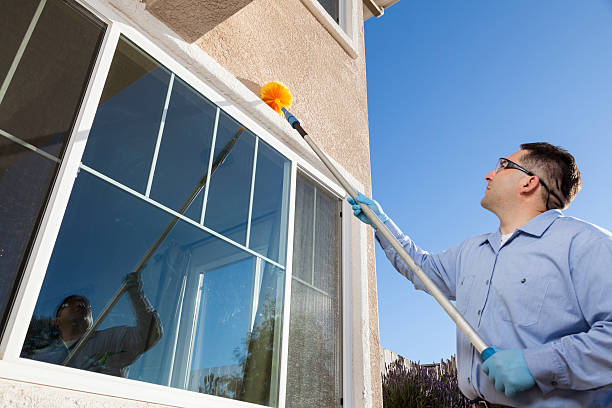
Most homeowners who schedule spider web and bug removal for the first time have a general sense that webs will be cleared from their home's exterior, but a less specific picture of what the service actually involves from the moment the technician arrives to the moment they leave. Understanding what a thorough, professional removal service actually looks like in practice helps you know what to expect on service day, confirm that the service you're receiving is genuinely comprehensive, and appreciate what distinguishes a thorough professional approach from a quick, surface-level pass that leaves significant activity unaddressed.
Before Service Day: What to Expect
No Significant Preparation Required
Unlike power washing, which benefits from specific advance preparation, spider web and bug removal doesn't require meaningful homeowner preparation before the technician arrives. Ensuring clear access around the home's perimeter so the technician can reach all exterior surfaces is the primary practical consideration, which typically means gate access to backyard areas if they're enclosed and the same general property access that any exterior service requires.
Confirming Service Scope During Booking
When scheduling service, the conversation about scope is the most important pre-service step. Confirming that the service covers the complete exterior perimeter including all eaves, soffits, corners, window frames, light fixtures, porch ceilings, and entryways, rather than a more limited scope that addresses only the most obvious areas, sets accurate expectations for what the service will deliver.
The Service Walkthrough on Arrival
Initial Property Assessment
A thorough professional approach begins with a walkthrough assessment of the property's exterior before any removal work begins. This assessment identifies the areas of most concentrated activity, notes any specific concerns like active wasp or hornet nests that may require different handling than standard spider web removal, and helps the technician plan the most efficient sequence for working around the entire exterior.
Communication About Notable Findings
If the initial assessment reveals anything unusual, including signs of active stinging insect activity, evidence of a particularly high-activity infestation in a specific area, or structural features that affect access to certain areas, the technician communicates these findings before proceeding rather than discovering and managing them silently during the service.
The Removal Process Itself
Starting at the Top
Professional spider web removal works from the highest points of the structure downward, specifically because working top-to-bottom prevents debris from above from falling onto already-cleared lower surfaces. Beginning with roofline eave areas, high corners, and any upper-level structural features means that as work progresses downward, previously cleared areas stay clear rather than being recontaminated by debris falling from above.
Tools for Different Heights and Surfaces
Professional removal uses extension tools that safely reach high eave areas, roofline corners, and other elevated surfaces without ladder work where possible, and appropriate ladders where elevated access is genuinely necessary. The specific tools used vary by technician and property, but the goal is consistent access to all surfaces regardless of height or position.
Eaves and Soffits: The Primary Focus
As established in the eaves and soffits guide, these areas represent the highest concentration of web activity on most homes and receive the most deliberate attention during a thorough removal service. Clearing eave areas comprehensively means addressing the full length of every eave run around the building perimeter, reaching into the corner areas where eave meets wall, and addressing the soffit surface itself rather than just the visible web material hanging below it.
Corners at Every Height
Every exterior corner on the building, from ground-level corners where walls meet at entries and other architectural features to upper corners where walls meet the roofline, represents a preferred web-building location that a comprehensive service addresses explicitly. Lower corners that are at eye level and frequently disturbed by human activity generally have less severe accumulation than upper corners, but they still accumulate activity that thorough service includes.
Window Frames and Surrounding Areas
Window frames, particularly the upper corners of window frames and the area immediately above windows where eave and wall meet, concentrate web activity given the combination of the frame structure's anchor points and the insect attraction of nearby glass during daylight hours when insects respond to light from inside the home. Each window frame is addressed as a discrete area rather than being assumed clean based on the clearance of surrounding surfaces.
Light Fixtures: The Highest-Activity Spots
Exterior light fixtures are among the highest web-activity locations on most home exteriors given their insect-concentrating function. A thorough removal service specifically addresses the area around, behind, and beneath each exterior light fixture, including the fixture housing itself, the surrounding wall and eave area, and any overhead surface above the fixture from which webs hang down.
Porch and Entry Ceilings
Covered porch areas, entry overhangs, and any other overhead surfaces within the immediate vicinity of the home's entry points receive specific attention during a comprehensive removal, since these surfaces combine the sheltered, low-disturbance conditions that maximize web accumulation with the high-visibility, high-traffic context that makes their accumulation most noticeable and most impactful on the arrival experience.
Egg Sac Treatment: The Detail That Matters Most for Long-Term Results
Why Egg Sacs Are the Critical Element
A removal service that clears visible webs but misses egg sacs delivers results that revert to significant activity within weeks as egg sacs hatch and the new population immediately begins building in the same locations the service just cleared. A thorough service specifically identifies and addresses egg sacs in all the sheltered, protected areas where they're preferentially placed.
Where Egg Sacs Hide
Egg sacs are placed in the most protected, low-disturbance locations available: deep in eave corners, behind light fixture housings, in the junction between different building materials where a small protected gap exists, and in any other location that offers more protection than a flat open surface. A technician who knows to look specifically for these placement locations finds egg sacs that a less thorough approach misses.
The Final Walkthrough
Confirming Complete Coverage
A professional service concludes with a final walkthrough that confirms every area of the home's exterior has been addressed rather than assuming the work was complete based on time spent or areas started. This final check catches any sections that were inadvertently skipped and ensures the service delivered the comprehensive result that was scheduled.
Your Opportunity to Review
The final walkthrough is also your opportunity to walk the property with the technician and point out any areas you'd like to revisit before the service is complete. If you noticed activity in a specific area that you don't see addressed, this is the moment to raise it rather than discovering a gap after the technician has left.

What a Thorough Service Feels Like Afterward
The most immediate indicator of a genuinely thorough spider web and bug removal service is the physical experience of walking around your home's exterior after it's complete. Eaves, corners, porch ceilings, and entryways that were previously thick with web activity should feel clean and clear. Walking under previously web-heavy eave areas without encountering any web contact is the most direct confirmation that the service addressed these areas with appropriate thoroughness rather than only the surfaces visible from a casual standing-height inspection.
Request your spider web and bug removal quote here.
Detail You Can See. Quality You Can Trust.
Contact Us


Find us on


