blog
.avif)
Wasp and Hornet Nests vs. Spider Webs: What Removal Covers
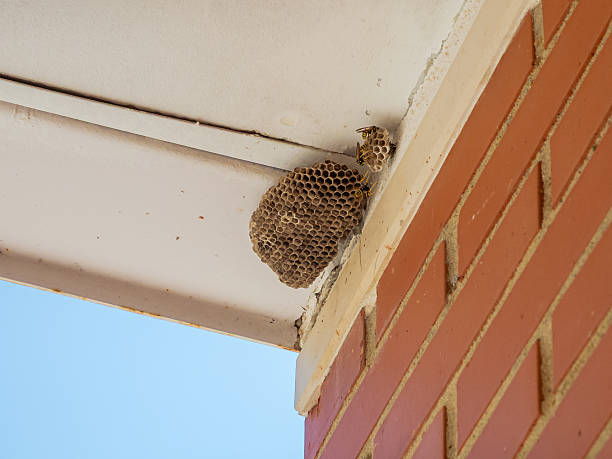
When homeowners schedule spider web and bug removal, they sometimes have questions about what exactly the service covers beyond the obvious spider webs. Specifically, the presence of wasp nests, hornet nests, and mud dauber tubes on the exterior of their home raises the question of whether these are part of what removal addresses or whether they fall into a different service category. Understanding the distinction helps set appropriate expectations and ensures you know what to ask about when scheduling service for your specific situation.
What Spider Web and Bug Removal Typically Covers
Spider Webs and Associated Debris
The core of spider web and bug removal service is exactly what the name describes: clearing webs built by web-spinning spiders from all exterior surfaces including eaves, soffits, corners, window frames, porch ceilings, light fixtures, and other common building locations. This includes the webs themselves, the debris trapped within them, and the egg sacs associated with active web-building activity.
Insect Nesting and Buildup on Exterior Surfaces
Beyond spiders specifically, exterior bug removal generally addresses the insect nesting and buildup that accumulates on home exterior surfaces from a variety of species beyond just web-building spiders, including the mud tubes left by mud dauber wasps, general insect debris accumulation in eave and corner areas, and the evidence of insect activity that affects your home's exterior appearance and condition.
Where Wasp and Hornet Nests Fit Into This Picture
The Safety Distinction That Matters
This is where the conversation around wasp and hornet nests requires a clear-eyed safety assessment. Unlike spiders, which are generally passive and avoid confrontation, social wasp and hornet species, including paper wasps, yellow jackets, and bald-faced hornets, defend their nests aggressively when they perceive a threat. Attempting to remove an active wasp or hornet nest without appropriate training, protective equipment, and technique creates real sting risk that makes this categorically different from removing spider webs or inactive mud dauber tubes.
Active vs. Inactive Nests
The safety and service considerations around wasp and hornet nests depend significantly on whether a nest is active, meaning currently occupied by a living colony, or inactive, meaning the colony has abandoned it, typically at the end of the season. Inactive, abandoned nests from previous seasons are physically similar to other debris accumulation that exterior cleaning addresses and generally present no sting risk during removal. Active nests with a living colony require a different approach and different safety considerations entirely.
Mud Dauber Tubes Are Generally Included
Mud dauber wasps build small, tube-shaped mud nests on exterior surfaces that they stock with paralyzed spiders as food for their larvae. These mud tubes are solitary wasp constructions rather than social colony nests, and the wasps associated with them are generally non-aggressive and unlikely to sting defensively in the way social wasps and hornets do. Mud dauber tube removal is typically within the scope of exterior bug removal as part of clearing non-spider insect debris from exterior surfaces.
When Professional Pest Control Is the More Appropriate Solution
Active Social Wasp and Hornet Colonies
For active paper wasp, yellow jacket, or hornet nests with living colonies, professional pest control that includes appropriate treatment to eliminate the colony before physical removal is the recommended approach rather than attempting direct physical removal of a defended nest. This sequencing, eliminating the colony first, then removing the abandoned nest structure, ensures the removal can be completed safely.
Large Nest Structures in Difficult Locations
Larger nest structures or nests in particularly difficult locations, such as inside wall voids, in tight eave spaces, or near high-traffic entry areas where the sting risk during removal is elevated, may warrant pest control involvement regardless of whether the colony appears currently active.
What to Communicate When Scheduling Service
Describe What You've Seen Before Scheduling
When scheduling spider web and bug removal, describing any specific wasp, hornet, or other insect nesting activity you've observed, including approximate nest location, size, and whether you've seen active insect traffic around the nest, allows the service provider to assess whether the situation falls within standard removal scope or whether it warrants additional steps or coordination with pest control resources.
Active Nesting Activity Requires Upfront Discussion
If you're actively seeing wasps or hornets flying in and out of a nest, this indicates an active colony that warrants upfront discussion before the service visit rather than discovery on the day of service. Addressing this proactively ensures the service can proceed safely and that the right approach is planned for your specific situation.

Comprehensive Exterior Bug Removal
At Phillips Exterior Cleaning, full removal of webs, nests, and insect buildup from eaves, corners, and all exterior surfaces is the service commitment, and the team approaches each property with the assessment and care that the specific conditions present require. For situations involving active wasp or hornet colonies, a direct conversation about what's present and the appropriate service approach ensures your exterior gets comprehensively cleaned safely and thoroughly.
Request your spider web and bug removal quote here.

Detail You Can See. Quality You Can Trust.
Contact Us


Find us on


