blog
.avif)
The Difference Between a Dirty Solar Panel and a Failing Solar Panel
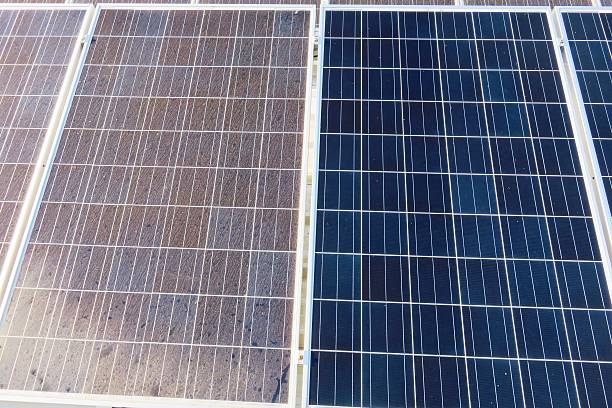
One of the more confusing situations solar panel owners encounter is a noticeable decline in system output that they can't immediately attribute to either obvious contamination or obvious physical damage. This uncertainty, is the panel dirty or is something actually wrong with it, leads some homeowners to either schedule unnecessary cleaning when the real issue requires a different response, or to schedule cleaning when they should be contacting their installer about a genuine equipment issue. Understanding how to distinguish between these two situations saves both time and money.
How Dirty Panels Affect Output: The Contamination Pattern
Gradual, Progressive Decline
Contamination-related output decline typically follows a gradual, progressive pattern that correlates with time since the last cleaning rather than with any specific event. Production declines slowly over weeks and months as contamination accumulates, without any sudden step-change that would indicate a different type of failure.
Weather-Correlated Partial Recovery
Dirty panels often show partial output improvement after significant rain events that rinse some loose surface contamination away, followed by resumed gradual decline as new contamination accumulates. This rain-and-recovery pattern is characteristic of surface contamination rather than hardware failure, since hardware failure doesn't improve after rain.
Uniform Decline Across the Array
Atmospheric contamination that accumulates evenly across all panels tends to produce relatively uniform output decline across strings and panels, with all sections of the array declining at similar rates rather than specific panels or strings dropping dramatically while others remain near baseline.
How Failing Panels Affect Output: The Equipment Failure Pattern
Sudden, Discrete Output Drop
Panel or component failures typically produce output changes that happen suddenly rather than gradually. A panel that developed a micro-crack from hail impact, a junction box connection that failed, or an inverter issue all create production changes that show up as discrete drops in monitoring data on a specific day or during a specific weather event rather than as the slow, continuous decline of contamination accumulation.
String-Level or Panel-Level Specificity
Hardware failures are typically localized to specific panels or strings rather than affecting the entire array uniformly. A monitoring system with panel-level or string-level visibility shows a specific section underperforming dramatically relative to the rest of the array in a failure scenario, while contamination-related decline affects all sections more uniformly.
No Improvement After Rain
Unlike contamination-related decline that shows some improvement after significant rain rinsing, hardware failure shows no production improvement after rain events because rain cannot fix a failed junction box connection, a micro-cracked cell, or a delaminating panel.
Output That Drops Below Contamination-Explained Levels
If your monitoring data shows output decline that exceeds what contamination alone could reasonably explain, given how long it's been since the last cleaning and your location's typical accumulation rate, this discrepancy suggests that contamination may not be the only factor affecting performance.
How to Use the Cleaning Test
Professional Cleaning as a Diagnostic Tool
One practical approach when uncertain whether decline is contamination or hardware related is to schedule a professional cleaning and monitor post-cleaning output. If cleaning restores production to near the expected clean-panel baseline, contamination was the primary or sole cause. If significant output deficit persists after cleaning, the remaining deficit represents performance that cleaning cannot explain and warrants hardware investigation.
What Persisting Post-Cleaning Deficit Means
A system that shows meaningful output shortfall after professional cleaning that can't be explained by seasonal or weather factors has something other than contamination reducing its performance. This persistent post-cleaning deficit is the most actionable signal that a hardware inspection or installer consultation is warranted.
Visual Indicators That Suggest Hardware Issues
Physical Changes to Panel Appearance
Cracks in panel glass, delamination of the encapsulant layer that creates visible bubbling or discoloration within the panel laminate, discoloration patterns concentrated in specific cell areas, or any physical change to the panel surface that differs from the uniform appearance of clean panels all suggest hardware issues rather than surface contamination.
Visible Damage to Junction Boxes or Wiring
Junction boxes on the back of panels, wiring connections between panels, and any other visible components of the panel and racking system that show physical damage, corrosion, loose connections, or burn marks indicate hardware issues that require installer attention.
When to Contact Your Installer
If visual assessment reveals physical changes to panels, if monitoring data shows sudden, discrete output drops, if string-level or panel-level monitoring shows specific sections underperforming dramatically relative to others, or if post-cleaning output remains significantly below expected levels, these are the appropriate triggers for contacting your solar installer for a professional system inspection rather than pursuing additional cleaning.

Clean Panels Give You the Clearest Performance Picture
Maintaining clean panels through regular professional cleaning is valuable not just for the efficiency it preserves but for the diagnostic clarity it provides. Clean panels that are performing below expected levels are sending a clearer signal about hardware issues than dirty panels whose contamination-related efficiency loss masks the underlying performance picture. Regular cleaning keeps your monitoring data as informative as possible throughout your system's operational life.
Schedule your solar panel cleaning quote here.
Detail You Can See. Quality You Can Trust.
Contact Us


Find us on


