blog
.avif)
Solar Panel Cleaning Myths Texas Homeowners Should Stop Believing
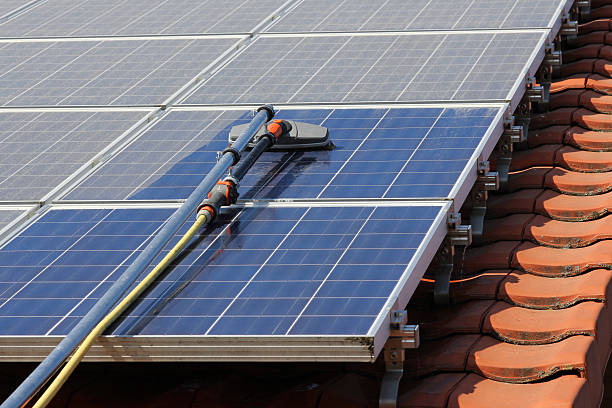
Solar panel ownership comes with a surprising amount of misinformation circulating among homeowners, particularly around cleaning and maintenance. Some of these myths lead homeowners to skip necessary cleaning entirely, while others lead to well-intentioned cleaning attempts that can actually cause harm. Here's the truth behind the most common solar panel cleaning misconceptions.
Myth: Rain Keeps Solar Panels Clean Enough
This is probably the most widespread solar panel cleaning myth, and it's understandable why it persists. Rain does rinse away some loose surface dust, and after a heavy rain your panels may look cleaner than before. But rain alone is not adequate maintenance for solar panels, for a few important reasons.
Rain Leaves Mineral Deposits Behind
As rainwater evaporates from the panel surface, the minerals carried in the water, particularly in Texas where water hardness is relatively high, remain behind as deposits on the glass. Over time, this repeated cycle of rain and evaporation can actually build up a mineral film that reduces light transmission, even though the panels are being regularly rained on.
Rain Doesn't Dislodge Stuck Contaminants
Pollen, bird droppings, and other sticky or semi-solid contaminants aren't removed by rain's rinsing action the way loose dust might be. These materials require actual cleaning contact to fully dislodge, which rain simply doesn't provide.
Myth: A Little Dirt Doesn't Really Affect Output
Many homeowners assume that unless panels are visibly filthy, any efficiency impact is too small to matter. The reality is more nuanced.
Partial Shading Has Disproportionate Effects
Depending on how a specific panel's cells are wired internally, a concentrated dirty spot, like a bird dropping, can sometimes affect the output of a larger portion of the panel than its physical size would suggest. The internal wiring of many panels means that one underperforming cell can pull down the output of a larger section.
Gradual Buildup Compounds Over Time
A thin layer of dust might have a modest impact on its own. But that same thin layer, combined with a pollen film from spring, a bird dropping from summer, and mineral deposits from rain throughout the year, creates a cumulative buildup that affects a meaningfully larger percentage of the panel surface than any individual deposit would alone.
Myth: You Can Use Any Soft Cloth to Clean Panels
Homeowners who want to quickly wipe down accessible panels sometimes reach for whatever soft cloth is nearby. But not all soft materials are appropriate for solar panel glass.
Micro-Scratches Are a Real Risk
Even materials that feel soft to the touch can contain particles or fibers that create micro-scratches on the panel's anti-reflective coating with repeated use. These scratches reduce the coating's effectiveness at directing light into the cells and accumulate over time with repeated improper cleaning.
Dry Wiping Can Drag Abrasive Particles Across the Surface
If there's any grit or debris on the panel surface, wiping it dry drags those particles across the glass, essentially using them as an abrasive against the surface. Proper cleaning always involves appropriate lubrication, whether through purified water or a specifically formulated panel cleaning solution, before any wiping contact.
Myth: Cleaning Panels Too Often Wears Them Out Faster
Some homeowners worry that frequent cleaning causes more wear than it prevents. This myth likely originates from a reasonable concern about abrasion and handling, but it misunderstands how proper professional cleaning works.
Professional Cleaning Is Designed to Be Non-Damaging
The tools, water type, and technique used in professional solar panel cleaning are specifically chosen to be non-abrasive and non-damaging. Done correctly, cleaning introduces no meaningful wear to the panel surface regardless of frequency.
The Efficiency Cost of Skipping Cleaning Far Outweighs Any Theoretical Wear Risk
Even setting aside the myth's factual basis, the documented efficiency gains from regular cleaning far outweigh any theoretical concern about cleaning-related wear, making this a case where the real cost of inaction is considerably higher than any risk from appropriate, professional cleaning.
Myth: All Solar Panel Cleaners Are the Same
Some homeowners assume any cleaning product marketed as gentle or designed for glass is appropriate for solar panels. In reality, solar panels have specific requirements that not all glass-safe products meet.
Certain Chemicals Can Degrade Panel Coatings
Anti-reflective coatings and other protective layers on solar panels can be sensitive to certain chemical compounds found in otherwise gentle glass cleaners. Professional solar panel cleaning uses products specifically formulated and tested for use on panel surfaces, rather than general-purpose glass cleaners that haven't been evaluated for this specific application.
Myth: You Don't Need Professional Cleaning if Your Panels Are New
New panels are clean at installation, but they begin accumulating environmental buildup immediately once they're operating outdoors. Texas's pollen season alone can coat new panels in a visible film within their first spring of operation.
Establishing Early Cleaning Habits Protects Long-Term Performance
Getting into a consistent cleaning routine from early in your system's life ensures you're always getting full performance from your investment, rather than allowing a pattern of buildup and neglect to establish itself during the years when your system is newest and most efficient.

Know the Facts and Protect Your Investment
Separating solar panel cleaning facts from widespread myths helps you make informed decisions about maintaining your system's performance throughout its lifespan. The truth is consistent, professional cleaning using the right tools and water type is one of the most straightforward and cost-effective ways to protect the return on your solar investment.
Schedule your solar panel cleaning quote here.
Detail You Can See. Quality You Can Trust.
Contact Us


Find us on


