blog
.avif)
Soft Washing vs. Power Washing: What's the Difference?
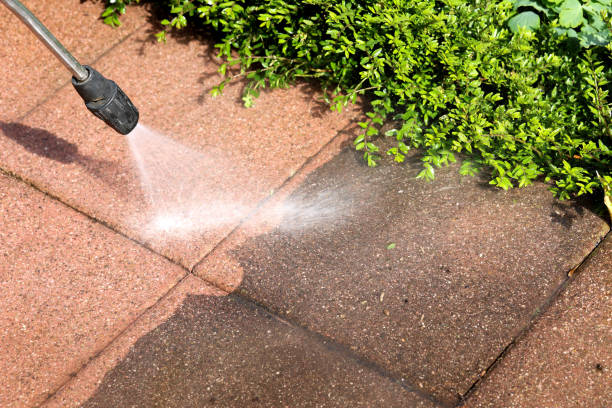
If you've been researching exterior cleaning options, you may have come across the term "soft washing" alongside the more familiar "power washing," and wondered whether they're essentially the same thing or genuinely different services. Understanding the distinction matters, because using the wrong method on the wrong surface can lead to real damage.
What Is Power Washing?
Power washing uses high-pressure water, often combined with heat in some systems, to blast away dirt, grime, mold, and stains from durable surfaces. The high pressure mechanically removes buildup through sheer force, making it effective for tough, established grime on surfaces that can handle that level of pressure without damage.
Best Suited For
Power washing works well on concrete driveways, walkways, brick, and other hard, durable surfaces that can withstand higher pressure without risk of damage. These materials are dense and non-porous enough to handle the mechanical force of high-pressure water without splintering, cracking, or stripping away protective coatings.
What Is Soft Washing?
Soft washing uses low-pressure water combined with specialized cleaning solutions to break down mold, algae, mildew, and grime chemically rather than relying on mechanical force. The cleaning solution does the heavy lifting, dissolving organic growth and buildup, while the low-pressure rinse simply washes away what's already been broken down.
Best Suited For
Soft washing is the appropriate method for more delicate or porous surfaces, including roofing shingles, painted wood siding, stucco, and other materials that could be damaged by high pressure but still need a thorough, deep clean to address mold, algae, or mildew growth.
Why Using the Wrong Method Causes Real Problems
Power Washing a Roof
This is one of the most common and costly mistakes in exterior cleaning. High-pressure water directed at asphalt shingles can lift, crack, or strip away the protective granules embedded in the shingle surface, leading to reduced roof lifespan and potential leaks, issues that are far more expensive to fix than the algae or mold the cleaning was meant to address in the first place.
Power Washing Painted or Aging Wood Siding
Older or painted wood siding can splinter, lose paint, or develop water intrusion issues if blasted with pressure levels appropriate for concrete or brick. Soft washing addresses the same mold and grime concerns without this risk.
Soft Washing a Heavily Stained Driveway
While soft washing is excellent for delicate surfaces, it's generally less effective for removing deeply ground-in stains like oil or tire marks on concrete, where the mechanical force of higher pressure is actually needed to fully lift embedded grime that a chemical solution alone won't dislodge.
How Professionals Decide Which Method to Use
A knowledgeable exterior cleaning company assesses each surface on your property individually rather than applying a single method universally across your entire home. This typically means using power washing for your driveway and walkways while switching to soft washing for siding, roofing (if offered as part of services), or other more delicate surfaces, all within the same overall service visit.
Questions to Ask a Potential Provider
When discussing exterior cleaning services, it's worth directly asking whether the company differentiates between power washing and soft washing based on surface type, or whether they use a single high-pressure approach across everything. A company that understands and applies this distinction is demonstrating a level of expertise that protects your property from unnecessary damage.
Combining Both Methods in One Service Visit
Many homes benefit from a combination approach within a single cleaning visit: power washing for durable surfaces like the driveway and walkways, paired with soft washing techniques for siding or other more sensitive materials. This comprehensive approach ensures every surface gets the appropriate treatment rather than a one-size-fits-all method applied indiscriminately.
Why This Distinction Matters for Your Home's Longevity
Understanding the difference between these two methods isn't just a technical detail, it directly affects the long-term condition of your home's exterior. Using the appropriate method for each surface protects your investment, ensuring your siding, roofing, and other materials maintain their integrity over time rather than experiencing the kind of damage that comes from a mismatched cleaning approach.

Get the Right Method for Every Surface
Not every part of your home's exterior should be cleaned the same way. Working with a provider who understands when to use power washing versus soft washing ensures your entire property gets a thorough clean without risking damage to more delicate materials.
Request your exterior cleaning quote here.
Detail You Can See. Quality You Can Trust.
Contact Us


Find us on


