blog
.avif)
Should You Seal Your Concrete After Power Washing?
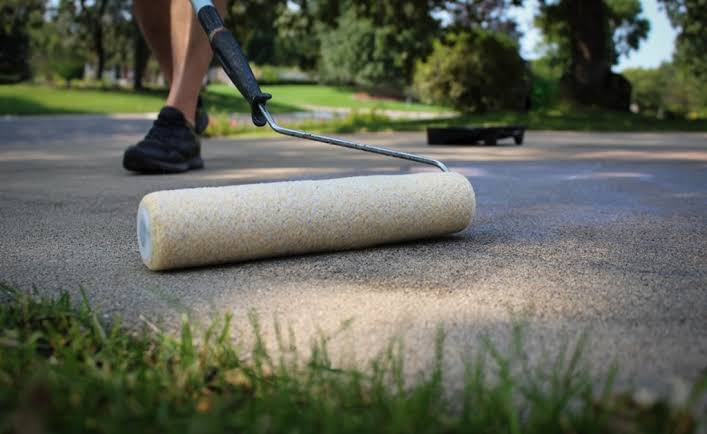
Power washing your driveway, walkways, or patio removes years of accumulated grime, mold, and staining and restores your concrete's original appearance. But once that cleaning is done, a logical next question comes up: should you apply a sealant afterward? For most homeowners, the answer is yes, and understanding why helps you make the most of the cleaning investment you've just made.
What Concrete Sealing Actually Does
Creates a Protective Barrier Against Future Staining
Concrete is a porous material that readily absorbs liquids, which is exactly why oil stains, mold, and grime can penetrate so deeply and become difficult to remove. A quality sealant fills and closes those surface pores, creating a barrier that prevents future liquids from penetrating as readily and making future staining significantly easier to clean before it sets in.
Slows the Return of Mold and Algae
One of the primary drivers of mold and algae growth on concrete is consistent moisture absorption into the surface. By reducing how readily the concrete absorbs water, a sealant creates conditions less hospitable to the mold and algae growth that you've just paid to have removed, extending the time before significant regrowth appears.
Protects Against Texas Weather Extremes
Texas concrete faces significant thermal stress from the repeated cycle of intense summer heat and occasional winter cold fronts. A quality sealant helps protect the surface from the cracking and spalling that this thermal cycling can accelerate in unsealed concrete over time.
Maintains Appearance Longer
Sealed concrete simply holds its cleaned appearance significantly longer than unsealed concrete because the protective barrier prevents the rapid reabsorption of grime, organic material, and moisture that causes unsealed concrete to begin looking dirty again relatively quickly after cleaning.
Why Timing Matters: Sealing After Cleaning
The Surface Must Be Completely Clean First
Applying sealant over dirty concrete traps contaminants beneath the coating rather than protecting clean concrete, which is counterproductive and can actually prevent the sealant from bonding properly to the surface. Power washing first ensures the sealant is applied to a fully clean surface that allows proper adhesion.
The Surface Must Be Fully Dry Before Sealing
Freshly power washed concrete contains moisture, and applying sealant before the surface has dried completely traps that moisture beneath the coating, which can cause the sealant to appear cloudy or milky and may prevent proper adhesion and curing. Depending on conditions, concrete typically needs at least 24 to 48 hours after power washing before it's ready for sealant application.
Sealing Shortly After Cleaning Maximizes Long-Term Value
The combination of thorough power washing followed by prompt sealing delivers significantly better long-term results than either step alone, protecting the cleaned surface before it has time to begin reabsorbing grime and organic material from the environment.
Types of Concrete Sealants
Penetrating Sealers
These products penetrate into the concrete's surface rather than forming a visible coating on top, chemically reacting with the material to reduce porosity from within. Penetrating sealers generally don't change the appearance of the concrete significantly and tend to be particularly durable and long-lasting.
Film-Forming Sealers
Film-forming sealers create a visible protective coating on top of the concrete surface. Some formulations add a slight sheen that can enhance the appearance of decorative or stamped concrete, while others are designed to be more matte and natural-looking.
Acrylic Sealers
Acrylic sealers are among the most commonly used for residential driveways and walkways, offering a reasonable balance of protection, durability, and cost. They typically need reapplication every few years depending on traffic and weather exposure.
How Often Should Sealed Concrete Be Resealed
Most concrete sealants for residential applications need reapplication every two to five years depending on the product type, the amount of traffic the surface sees, and local weather conditions. Signs that resealing may be due include water no longer beading on the surface as it did when the sealant was fresh, increased staining or grime absorption, or visible wear in high-traffic areas.
Surfaces That Benefit Most From Post-Cleaning Sealing
Driveways
Given the combination of vehicle traffic, oil exposure, and direct weather contact, driveways benefit significantly from sealing after cleaning, both for stain resistance and for the extended maintenance of their cleaned appearance.
Walkways and Entry Areas
Frequently used walkways near entryways see consistent foot traffic and weather exposure that makes post-cleaning sealing a practical investment for maintaining their appearance between professional cleanings.
Patios and Outdoor Living Surfaces
Patio surfaces benefit from sealing particularly for mold and mildew resistance, since outdoor living areas accumulate organic material from surrounding landscaping and tend to stay damp in shaded areas.

Protect Your Cleaning Investment
Power washing restores your concrete's appearance, and sealing protects that result for as long as possible before the process needs to be repeated. The combination of professional cleaning followed by appropriate sealing delivers the best long-term value from both investments.
Request your power washing quote here.
Detail You Can See. Quality You Can Trust.
Contact Us


Find us on


