blog
.avif)
Power Washing Vinyl Fencing: What Fort Worth Homeowners Should Know
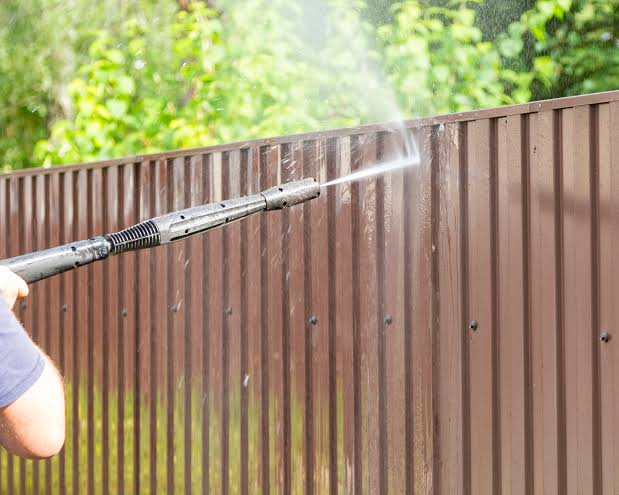
Vinyl fencing has become one of the most popular fencing choices in Fort Worth and Saginaw area neighborhoods, valued for its clean appearance, durability, and lower long-term maintenance requirements compared to wood. But lower maintenance doesn't mean no maintenance, and vinyl fencing that goes years without proper cleaning develops its own distinctive set of appearance and condition issues that undermine the pristine white or colored finish that made it attractive in the first place.
Why Vinyl Fencing Needs Regular Cleaning Despite Its Reputation for Low Maintenance
Algae and Mildew Develop on Vinyl Surfaces
Despite vinyl's non-porous surface, algae and mildew still grow on vinyl fencing, particularly on shaded sections and along the lower portions of fence panels that receive consistent moisture splashback from rain and irrigation. The green and black discoloration that develops on neglected vinyl fencing is often algae and mildew growth that sits on the surface rather than penetrating it, which is actually good news for cleaning purposes but still requires deliberate removal.
Chalking and Oxidation Develop on Aging Vinyl
Over years of UV exposure, vinyl fencing can develop a chalky, dull surface film from oxidation of the vinyl material itself. This chalking makes the fence look faded and dingy rather than the bright, clean appearance it had when new, and it requires specific treatment to address rather than responding to standard pressure washing alone.
Environmental Grime and Staining Accumulates on Vinyl
Despite its smooth surface, vinyl fencing accumulates atmospheric grime, pollen deposits, splashback from soil and mulch, and general environmental discoloration over time. In Texas's climate specifically, pollen season deposits a film on vinyl fence surfaces as readily as on any other exterior material.
The Right Cleaning Approach for Vinyl Fencing
Lower Pressure Than Concrete but More Flexibility Than Wood
Vinyl fencing occupies a middle ground in pressure tolerance between concrete surfaces and wood. Unlike concrete, which can handle significant pressure without surface damage, vinyl can warp, distort, or develop surface hazing from excessive pressure, particularly when warm from sun exposure during hot Texas days. Unlike wood, vinyl doesn't have grain or texture that can be raised by pressure. Moderate, calibrated pressure combined with appropriate cleaning solution delivers effective results without the warping risk that excessive pressure creates.
Temperature Matters More for Vinyl Than Other Materials
Vinyl's thermoplastic properties mean it becomes more susceptible to pressure-related distortion when warm, which is a significant practical consideration for Texas cleaning scheduling. Cleaning vinyl fencing during cooler parts of the day, or on cooler weather days rather than during peak afternoon heat, reduces the risk of heat-related surface distortion during cleaning.
Appropriate Cleaning Solutions for Algae and Mildew on Vinyl
Pre-treatment with cleaning solutions formulated to break down algae and mildew on vinyl surfaces before pressure washing addresses these organic growth patterns more effectively and thoroughly than pressure alone, since vinyl's smooth non-porous surface doesn't trap mildew roots in the way porous materials do.
Addressing Specific Vinyl Fence Staining Issues
Green Algae Discoloration
Green algae growth on vinyl fencing typically responds well to appropriate pre-treatment followed by low-to-moderate pressure washing, since algae sitting on vinyl's non-porous surface hasn't rooted into the material and lifts relatively readily with proper chemical treatment.
Black Mildew Staining
Black mildew staining on vinyl can be more stubborn than green algae and may require more targeted treatment time with appropriate mildew-specific solutions before pressure washing to fully remove rather than just superficially lighten.
Rust and Tannin Staining Near Metal Posts or Plant Material
Vinyl fence panels that run near rusting metal components or plants that release tannins can develop specific discoloration from these contact sources that requires treatment with solutions formulated for oxidation or organic staining rather than general cleaning products.
Chalking and Oxidation Treatment
Vinyl fencing that has developed significant chalking from UV oxidation may benefit from specific vinyl restoration treatments designed to address the oxidation layer rather than standard cleaning alone, since cleaning removes surface grime but doesn't address the underlying material oxidation that creates the chalky appearance.
How Often Should Vinyl Fencing Be Cleaned
For most vinyl fencing in the Fort Worth and Saginaw area, cleaning once a year or every other year maintains a clean, bright appearance and prevents algae and mildew from building up to levels that create significant discoloration. Fencing in particularly shaded areas or with persistent moisture exposure may warrant annual cleaning specifically to stay ahead of algae growth that develops faster in these conditions.

Preserving Your Vinyl Fence's Appearance Long Term
Vinyl fencing's primary practical advantage over wood is its lower long-term maintenance requirement and better appearance retention, but this advantage is contingent on appropriate care that addresses the specific cleaning needs vinyl does have. Professional cleaning at appropriate intervals preserves the clean, bright appearance that makes vinyl fencing the appealing choice it is throughout the fence's useful lifespan.
Request your power washing quote here.

Detail You Can See. Quality You Can Trust.
Contact Us


Find us on


