blog
.avif)
Is Power Washing Safe for Your Patio and Deck?
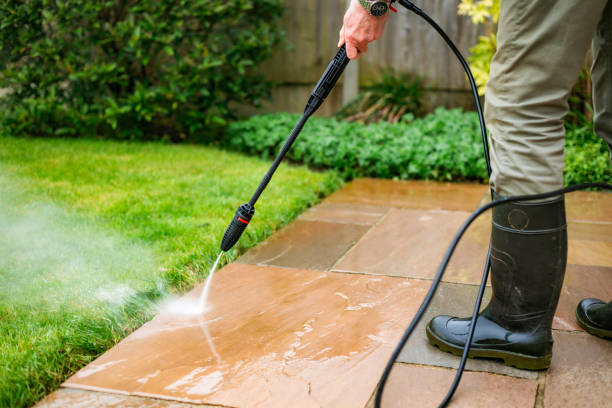
Patios and decks see constant exposure to the elements, which means they're prone to the same mold, mildew, and grime buildup as the rest of your home's exterior. But because these surfaces often involve wood or more delicate materials than concrete or siding, a common question comes up: is power washing actually safe for these areas, or does it risk causing damage?
Why Patios and Decks Need Regular Cleaning
Constant Exposure to Moisture and Shade
Many patios and decks are partially or fully covered by overhead structures like pergolas, awnings, or roof overhangs, which provide shade that keeps the surface damp longer after rain, creating ideal conditions for mold and mildew growth.
Heavy Foot Traffic
As one of the most frequently used outdoor spaces in a home, patios and decks accumulate dirt and grime from regular foot traffic, outdoor furniture use, and general everyday activity at a faster rate than less frequently used exterior surfaces.
Material Vulnerability
Unlike concrete driveways, wood decking and certain patio materials are more vulnerable to damage from improper cleaning techniques, which is exactly why the "is it safe" question matters so much for these specific surfaces.
The Real Risks of Improper Power Washing on Wood Decks
Wood Splintering and Surface Damage
Using too much pressure on wood decking can cause the surface to splinter, gouge, or fray, particularly on softer wood types or decking that's already somewhat weathered. This damage isn't just cosmetic, it can create rough surfaces that are uncomfortable (or even unsafe) to walk on barefoot.
Stripped Protective Coatings
Many decks have a protective stain or sealant applied to guard against moisture damage. Excessive pressure can strip this coating away, leaving the wood more vulnerable to moisture absorption and accelerated weathering than before the cleaning even took place.
Forced Water Into Seams and Joints
High pressure can force water into the seams between deck boards or into joints within patio materials, leading to trapped moisture that contributes to rot, mold growth beneath the surface, or structural weakening over time, issues that aren't immediately visible but cause real damage down the line.
How Professionals Approach Patios and Decks Differently
Lower, Calibrated Pressure for Wood Surfaces
Professional power washing services adjust pressure specifically for wood decking, using a lower setting than what might be appropriate for concrete or brick, reducing the risk of splintering or stripping protective coatings.
Wider Spray Patterns
Using a wider spray nozzle pattern distributes pressure across a larger surface area rather than concentrating it intensely on one small spot, reducing the risk of gouging or uneven cleaning that a narrow, high-pressure stream can cause.
Pre-Treatment for Mold and Mildew
Similar to siding, applying a cleaning solution before pressure washing helps break down mold and mildew growth more thoroughly, allowing for a lower-pressure final wash that still achieves a deep clean without relying on excessive force to remove buildup.
Testing in an Inconspicuous Area First
A careful technician will often test pressure settings on a small, less visible area of your deck or patio first, ensuring the chosen settings are appropriate for that specific material before treating the entire surface.
What About Stone, Tile, or Stamped Concrete Patios
Stone, tile, and stamped concrete patios are generally more durable than wood decking and can typically handle higher pressure without the same splintering risk. However, these surfaces aren't entirely risk-free either, excessive pressure can still damage grout lines, dislodge loose pavers, or wear down decorative stamped patterns over time if not handled carefully.
Signs Your Deck or Patio Needs Cleaning
Visible green or black mold spots, particularly in shaded areas. This is one of the clearest signs that moisture buildup has created conditions for organic growth on the surface.
A slick or slippery feeling, especially after rain. Similar to algae on a boat dock, mold and mildew buildup on a deck or patio creates a genuine slip hazard that's worth addressing for safety reasons, not just appearance.
Faded or grayed wood that's lost its original color. Sun exposure combined with accumulated grime can leave wood looking dull and aged, even if the structural integrity is still fine underneath.
Stains from outdoor furniture, grills, or planters. These localized stains often respond well to professional cleaning that a simple sweep or rinse wouldn't fully address.
Why DIY Power Washing on Decks Carries More Risk
Without experience adjusting pressure for different materials, DIY power washing on a wood deck carries a real risk of causing more damage than the mold or grime it's meant to remove. This is one of the areas where hiring a professional makes a particularly strong case, since the cost of repairing splintered or damaged decking far exceeds the cost of having it cleaned correctly the first time.

Get a Deep Clean Without the Risk
Power washing can absolutely be safe and effective for your patio or deck, as long as it's approached with the right pressure, technique, and material-specific care. Professional service ensures your outdoor living space gets restored to a clean, healthy appearance without risking the kind of damage that comes from improper technique.
Request your power washing quote here.
Detail You Can See. Quality You Can Trust.
Contact Us


Find us on


