blog
.avif)
How to Tell When Your Home's Siding Needs Power Washing
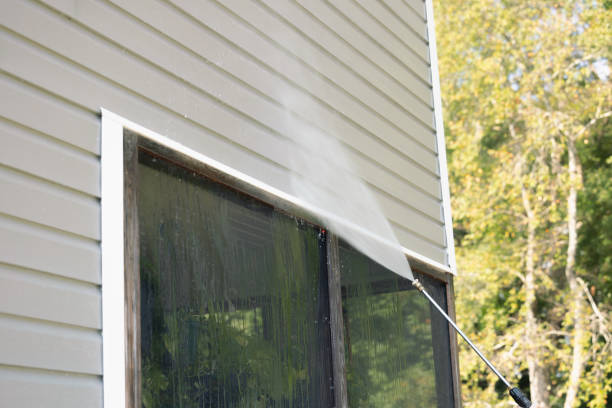
Your home's siding is one of the largest visible surfaces on the entire property, and its condition shapes the overall impression your home makes from the street more than almost any other single exterior element. Yet siding cleanliness is easy to overlook precisely because you see it every day from a distance, becoming gradually accustomed to changes that accumulate so slowly they stop registering as the deterioration they represent. Here's how to evaluate your siding specifically and recognize the signs that professional power washing is overdue.
Why Siding Gets Dirty in Ways That Aren't Always Obvious From a Distance
Gradual Accumulation Doesn't Trigger Recognition
The most insidious aspect of siding contamination is how slowly it happens. Mold doesn't appear overnight. Algae doesn't establish itself in a week. Each day adds an imperceptible layer to what's building over months and seasons, and because the change is continuous and gradual rather than sudden, the recognition that something has changed often doesn't happen until the accumulation has become quite significant.
This gradual accumulation dynamic is why homeowners frequently react with genuine surprise when they see their siding immediately after professional power washing, the contrast between cleaned and uncleaned surfaces reveals how much had accumulated on the cleaned section that they'd stopped noticing.
Viewing Angle Masks Severity
Siding is typically viewed from a distance and at a relatively direct angle during normal daily activity around a property. Certain types of buildup, particularly the thin haze of atmospheric grime and light algae growth, are far more visible when viewed at an oblique angle or in specific lighting conditions than they appear during a casual straight-on assessment from normal viewing distance. The siding that looks reasonably acceptable from where you park your car may look significantly worse from a side angle in morning or afternoon light.
The Specific Signs That Siding Needs Professional Power Washing
Green or Black Streaking on Any Section
This is the clearest and most unambiguous signal that power washing is needed. Green streaking indicates algae growth that has established itself on the siding surface, while black streaking or black spotting typically indicates mold or mildew. Both are biological growth that becomes progressively more established the longer it's left unaddressed, rooting more deeply into porous siding materials over time.
Green and black streaking is most commonly concentrated in specific areas of the siding rather than distributed evenly across the entire facade, particularly on north-facing walls that receive less direct sun, sections shaded by trees or overhangs that stay damp longer after rain, and areas near downspouts where consistent moisture creates favorable growth conditions.
If you see any section of your siding with visible green or black streaking, power washing is overdue for that specific area regardless of how the rest of the siding looks.
Siding Color That Looks Different From When It Was New or Last Cleaned
This requires some memory of what your siding originally looked like, but most homeowners have a reasonable sense of whether their siding's current color matches its original appearance. Siding that has gradually shifted from a clean, vibrant color to a dull, muted, or generally darker version of itself has accumulated the atmospheric grime and biological haze that power washing addresses.
This color shift is often most visible when a section of siding is temporarily shielded from contamination by an object that's been in place for an extended period, such as a downspout or fixture that's been removed for maintenance. The protected area behind the removed object retains something closer to the original siding color, creating a distinct line that reveals how much the exposed siding has changed.
Chalky Residue That Transfers to Your Hand
Running your hand across painted or older vinyl siding and finding a chalky, powdery residue on your palm indicates a specific type of surface degradation called chalking, where the siding's surface layer has broken down from UV exposure into a loose, powdery film. This chalk layer sits on the surface of the siding, traps atmospheric grime, and creates the dull, faded appearance that characterizes siding that needs cleaning and potentially repainting.
Chalking is particularly common on older painted siding and on vinyl siding that has been in place for many years without cleaning, and it's a clear signal that surface preparation through professional power washing is needed before any recoating or repainting would adhere properly.
Visible Dirt Accumulation at Ground Level and Splashback Zones
The lowest sections of siding, from ground level up to approximately two to three feet, experience the most aggressive contamination from rain splashback, irrigation overspray, and the generally more active biological growth environment near the ground surface. Heavy dirt accumulation, pronounced green growth, and general discoloration concentrated in the lower siding sections that's noticeably worse than the siding above is a clear signal that power washing is overdue for at least these most severely affected areas.
A General Dingy or Tired Appearance That's Hard to Pinpoint
Sometimes the signal that siding needs cleaning isn't a specific visible problem like green streaking or obvious discoloration but rather a general impression that the home looks older, more tired, and less well-maintained than you'd want it to look. This vague but real impression often reflects the cumulative effect of multiple subtle siding contamination types, light atmospheric haze, minor biological growth that isn't yet dramatic enough to identify specifically, and general dulling from pollen and dust accumulation, that together create an overall impression of neglect even when no single element seems severe enough to call out specifically.
If your home generally doesn't look as good as you'd like and you can't identify a specific cause, power washing the siding is often the intervention that reveals exactly how much accumulated contamination was responsible for that impression.
How Different Siding Materials Show Contamination
Vinyl Siding
Vinyl siding typically shows contamination as a general dulling of the original bright color combined with green or black biological growth in shaded or damp areas. Vinyl's smooth surface means contamination sits on top rather than penetrating deeply, making it one of the more responsive siding types to professional cleaning, with results that often dramatically reveal the original bright color that accumulated grime had obscured.
Brick and Masonry
Brick and masonry siding shows contamination differently than smooth vinyl, with biological growth often appearing as dark streaking from the mortar joints outward across the brick face, efflorescence appearing as white mineral deposits concentrated in certain areas, and general atmospheric darkening that's visible as a color contrast between recently cleaned and uncleaned sections.
Stucco
Stucco's textured surface traps contamination in its relief pattern more thoroughly than smooth surfaces, making biological growth and atmospheric grime particularly visible in the recessed areas of the texture while the raised portions may appear relatively cleaner. The overall impression of heavily contaminated stucco is a mottled, inconsistently colored surface that looks significantly better after cleaning reveals a more uniform color across the entire textured surface.
Wood and Fiber Cement
Wood and fiber cement siding show contamination through both surface discoloration and the more serious progressive mold and moisture damage that these porous materials develop when biological growth is allowed to establish for extended periods. The stakes for prompt cleaning are higher with these materials than with vinyl or masonry, since biological growth that's allowed to develop on wood siding contributes to the moisture retention that accelerates paint failure and wood degradation over time.
The Right Time to Act on These Signs
The consistent answer across all siding types and all contamination patterns is the same: earlier is better than later. Biological growth that's addressed in its early stages is easier to remove completely, less likely to have established deep roots in porous siding materials, and less likely to have contributed to any underlying material damage than growth that's been in place for a full season or more.
When you recognize any of the signs described above, scheduling professional power washing promptly rather than adding it to a future to-do list protects your siding material, prevents the compounding of accumulation through additional seasons, and restores your home's exterior appearance before the contamination has had the opportunity to make a more lasting impression on the siding material beneath it.

What Professional Siding Power Washing Delivers
A professional power washing service for your home's siding uses the right pressure for your specific material, appropriate pre-treatment for biological growth that addresses the root system rather than just the visible surface layer, and technique that avoids forcing water behind the siding or into joints and gaps where moisture intrusion can cause hidden damage.
The result is siding that's restored to something close to its original appearance, free of the biological growth and atmospheric grime that accumulated gradually and invisibly until it became hard to ignore, and set up for a longer interval before the same level of cleaning is needed again.
Detail You Can See. Quality You Can Trust.
Contact Us


Find us on


