blog
.avif)
How to Spider-Proof Your Garage and Home Entryway in Fort Worth
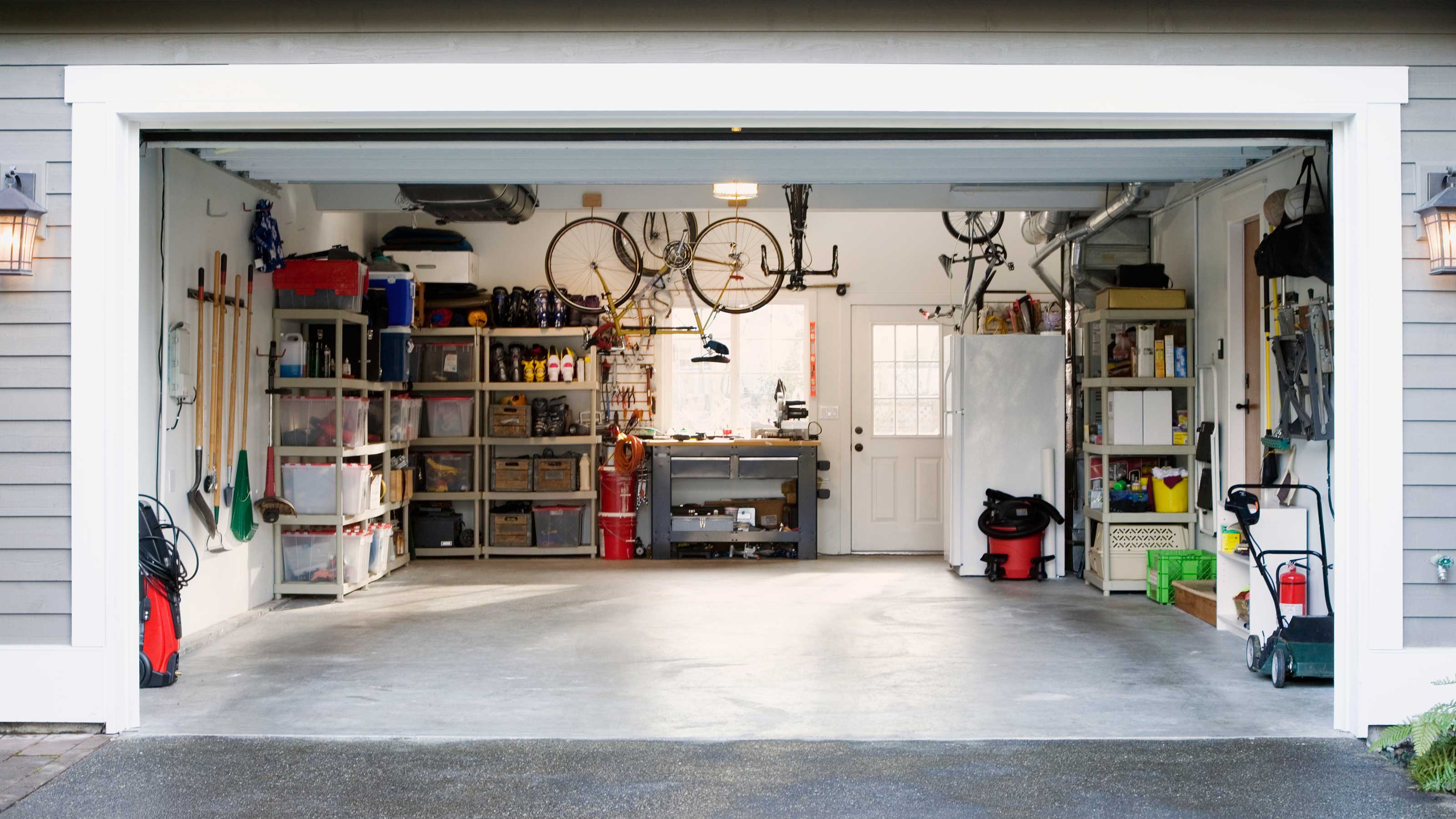
Your garage and front entryway are two of the most spider-activity-prone areas on any Fort Worth property, and for similar reasons: both provide sheltered, partially enclosed environments with consistent proximity to insect food sources, plenty of anchor points for web construction, and a level of disturbance that's high enough to inconvenience you regularly but not high enough to deter determined web-building activity. Here's how to think about spider-proofing these two specific areas effectively.
Why Your Garage Attracts So Much Spider Activity
The Ideal Environment for Web Building
A garage provides nearly everything a web-building spider could want: ceiling corners and overhead structures with abundant anchor points, consistent shelter from wind and rain, warmth from vehicles and any appliances, reduced disturbance compared to fully occupied interior spaces, and the dark corners and clutter that spiders use for retreat and egg placement.
Insects Enter Garages Easily
Garage doors that open frequently, gaps around door frames, and the ground-level gaps under most garage doors create multiple insect entry points that keep garage interior insect populations higher than fully sealed interior spaces. More insects mean more food, which means more spider activity that settles in wherever the insect-to-shelter ratio is most favorable.
Clutter Creates Spider Habitat
Cardboard boxes, stored equipment, lawn chairs, bicycles, and the general organized or disorganized accumulation of typical garage storage creates enormous amounts of sheltered, dark hiding space that spiders exploit for retreat webs, egg placement, and general habitation separate from the display webs you notice most visibly in open areas.
Why Your Front Entryway Accumulates Webs Fastest
Porch Lighting Is the Primary Driver
As covered in the porch light and bug activity blog, exterior lighting concentrated at your front entry creates the insect concentration that draws web-building spiders specifically to this location. The combination of abundant food source and the sheltered geometry of typical entry overhangs, which provide ceiling, walls, and corners within a small protected space, makes front entries among the fastest web-accumulating locations on any home exterior.
High Visibility Makes the Problem More Obvious
Entry webs are also simply more noticeable than webs in less-visited locations because you pass through this space multiple times daily, often walking directly into webs at face level. The density of activity may not necessarily be higher than in less-visited eave areas, but the personal impact of entry webs makes this area a priority regardless of relative severity.
Practical Spider-Proofing Steps for the Garage
Reduce Clutter and Organized Storage
Transitioning from floor-level cardboard box storage to sealed plastic bins reduces the spider habitat value of your garage significantly, since cardboard boxes with their warm, dark interiors are among the most spider-attractive storage options available. Elevating stored items off the floor eliminates ground-level habitat and makes the space easier to inspect and maintain.
Seal Gaps Around the Garage Door Frame
Weatherstripping gaps around the garage door frame and the gap at the bottom of the door under the seal reduce insect entry points that support the interior population feeding garage spiders. This gap sealing also provides energy efficiency and weather protection benefits beyond pest management.
Reduce Interior Lighting When the Door Is Open
Extended periods of open garage door with interior lighting on during summer evenings are peak conditions for drawing flying insects into the garage environment. Being intentional about lighting and door-open duration during warm evenings reduces the ongoing insect introduction that sustains interior spider populations.
Practical Spider-Proofing Steps for the Front Entryway
Switch to Yellow or Warm LED Bulbs
As discussed in the porch light biology blog, switching from standard white bulbs to yellow or warm LED bulbs at your front entry reduces insect concentration near this specific lighting fixture, which directly reduces the food supply that draws web-building to this location. This single change often produces a noticeable reduction in entry web reaccumulation rate after professional removal.
Regular Professional Removal of Entry Area Specifically
Given the high visibility and personal impact of entry web accumulation, scheduling professional removal with specific attention to the entry area as a priority zone ensures this high-profile location receives thorough treatment including ceiling and overhead surfaces, light fixture surrounds, door frame areas, and any other surfaces within the entry enclosure where spiders build.
Keeping Entry Vegetation Trimmed Back
Plants, shrubs, and climbing vines immediately adjacent to or within the entry area provide both habitat and access pathways for spiders migrating from garden areas onto the entry structure. Keeping vegetation a reasonable distance from the entry doorway and any overhead entry structure reduces these access pathways and habitat sources.
The Limits of DIY Spider-Proofing
Environmental modifications like lighting changes, clutter reduction, and gap sealing all reduce the attractiveness of these spaces to spider activity and slow the rate of web reaccumulation after professional removal. But they don't eliminate spider activity entirely in environments as naturally hospitable as Texas garages and covered entryways, and periodic professional removal remains the most effective way to address the accumulated web, nest, and egg sac material that prevention measures alone can't fully manage.

Consistent Management Is the Realistic Goal
Spider-proofing your garage and entryway isn't about achieving a permanently spider-free state, which isn't realistic in North Texas's active pest environment. It's about reducing the conditions that make these spaces maximally attractive to spider activity, slowing the reaccumulation rate between professional removals, and establishing a maintenance cadence that keeps web buildup from reaching the level where it consistently affects your daily experience of these high-use spaces.
Request your spider web removal quote here.

Detail You Can See. Quality You Can Trust.
Contact Us


Find us on


