blog
.avif)
How to Maintain Your Driveway Between Professional Power Washing Visits
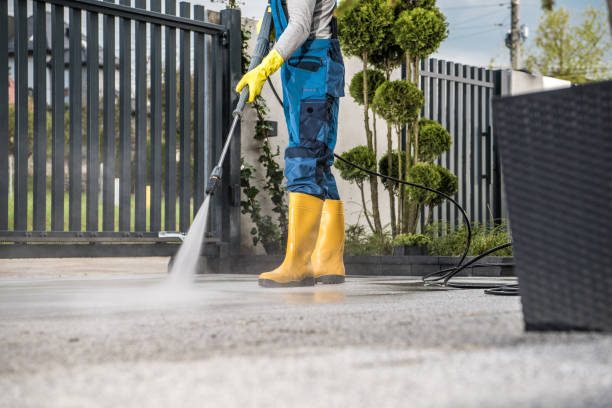
Professional power washing delivers a dramatic driveway transformation, and homeowners who've experienced that before-and-after result understandably want to preserve it as long as possible before the next service visit. While regular professional cleaning remains the most effective way to address the buildup that accumulates over time, specific maintenance habits between professional visits meaningfully extend the time your driveway stays looking its best and reduce how intensive the next professional cleaning needs to be.
Why Driveways Get Dirty Again After Cleaning
Environmental Exposure Is Continuous
Your driveway doesn't stop accumulating grime after a professional cleaning. Atmospheric dust settles daily, vehicles continue dripping fluids, Texas pollen season doesn't wait for a convenient gap in your cleaning schedule, and biological growth conditions return whenever moisture and shade create the right conditions. The question isn't whether your driveway will get dirty again, it's how quickly that happens and how severe the accumulation becomes before the next professional service.
Sealed vs. Unsealed Surfaces Reaccumulate Differently
A driveway that was sealed after its last professional cleaning reaccumulates surface grime differently than an unsealed surface. Sealant creates a barrier that prevents liquids and biological matter from penetrating into the concrete pores as readily, which means surface buildup on sealed concrete is primarily on top of the sealant layer rather than embedded in the concrete itself. This surface-level accumulation is generally easier to address with between-visit maintenance than the embedded buildup that unsealed concrete allows.
Simple Habits That Extend Your Driveway's Clean Appearance
Address Fresh Oil Drips Immediately
The single most effective between-visit maintenance habit for most driveways is addressing fresh vehicle fluid drips before they have time to penetrate into the concrete. A fresh oil drip that's treated within the first day or two with an appropriate degreasing product and rinsed away is a very different cleaning challenge than the same drip left for weeks or months to penetrate progressively deeper into unsealed concrete. Keeping a simple degreaser accessible in the garage and addressing fresh drips promptly prevents the stubborn, deeply embedded oil stains that require the most intensive professional treatment.
Regular Rinsing With a Garden Hose
A garden hose rinse of your driveway surface after significant pollen events, visible dust accumulation, or other surface contamination before it has time to bond to the concrete removes loose material effectively and delays the need for more intensive cleaning. This isn't a substitute for professional power washing but serves as a maintenance rinse that prevents loose surface accumulation from becoming embedded grime through the combination of moisture and Texas heat.
Keep Organic Debris Cleared
Leaves, seed pods, and other organic debris that accumulates on driveway surfaces from nearby trees doesn't just look untidy. It actively contributes to biological staining and moisture retention that accelerates mold and algae growth on the concrete beneath it. Regularly sweeping or blowing organic debris off the driveway surface removes this growth medium before it begins contributing to biological buildup.
Address Tire Mark Areas After Hot Days
Summer tire marks that deposit during high-temperature days when tire compounds are softened can be partially addressed while still relatively fresh with appropriate degreasers, before Texas heat has had extended time to bake the transferred compound more firmly into the surface. Like oil drip treatment, addressing tire compound transfer relatively promptly reduces the severity of what needs to be professionally removed at the next service visit.
What Between-Visit Maintenance Cannot Replace
Deep Penetration Removal Requires Professional Equipment
Between-visit maintenance effectively addresses surface-level accumulation and prevents some categories of embedded staining through prompt treatment, but it cannot replicate the combination of commercial degreasing chemistry and professional pressure that removes contamination that has penetrated into concrete's pore structure. Regular homeowner maintenance extends the period between professional visits but doesn't substitute for them.
Biological Growth in Shaded Areas Requires Professional Treatment
Algae and mold growth in the shaded areas of your driveway develops from organisms rooted below the visible surface layer, and treating only the surface appearance without addressing the underlying biological material allows rapid regrowth that homeowner-level rinsing doesn't prevent. Professional pre-treatment that addresses below-surface biological growth is what actually interrupts the growth cycle rather than just temporarily removing the visible surface layer.
How Maintenance Habits Affect Professional Cleaning Frequency
Homeowners who consistently address fresh drips, rinse away loose surface accumulation, and keep organic debris cleared from their driveway surface can often extend the period between professional cleaning visits compared to homeowners who do no between-visit maintenance. The less embedded the contamination at each professional visit, the less intensive the cleaning required and the more favorable the result per service visit.

Work With Your Professional Cleaning Schedule
Between-visit maintenance and regular professional cleaning work best as complementary parts of a complete driveway care approach rather than alternatives to each other. Maintenance habits extend the life of professional results, and professional cleaning addresses the accumulation that between-visit maintenance can't resolve. Together, they keep your driveway in its best possible condition throughout the year.
Request your power washing quote here.

Detail You Can See. Quality You Can Trust.
Contact Us


Find us on


