blog
.avif)
How to Keep Spiders Off Your House Exterior in Texas
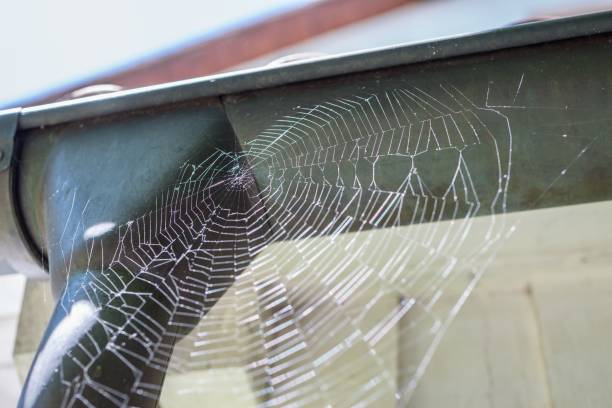
There's nothing quite like walking out your front door, ready to start the day, and immediately walking face-first into a spider web stretched across your porch. If this sounds familiar, you're dealing with a problem that's incredibly common for homeowners across Texas — and one that tends to get worse, not better, the longer it's ignored.
Spiders and the webs they leave behind aren't just a cosmetic nuisance. Left unchecked, heavy web buildup around eaves, corners, and entryways can make a home look neglected, attract even more insects, and in some cases create real safety concerns depending on the species involved. The good news is that there are practical steps you can take to reduce spider activity around your home, along with knowing when it's time to bring in a professional for a full removal.
Why Does Your House Attract So Many Spiders?
Before tackling the problem, it helps to understand why spiders are drawn to your home's exterior in the first place. Spiders aren't randomly choosing your house — they're responding to specific conditions that make it an attractive place to build a web and stay.
Outdoor Lighting Attracts Insects, Which Attracts Spiders
Porch lights, floodlights, and other exterior lighting draw in flying insects at night. Spiders know this, and they'll build webs near light sources specifically because that's where their food supply gathers. If your porch light is constantly surrounded by moths and gnats, it's also likely surrounded by the spiders feeding on them.
Eaves, Corners, and Overhangs Provide Shelter
Spiders look for sheltered, protected spaces to build webs where they're less exposed to wind, rain, and predators. The corners where your roofline meets your walls, the underside of eaves, and covered porch areas are prime real estate for web-building because they offer exactly that kind of protection.
Overgrown Landscaping Creates a Highway to Your House
Bushes, shrubs, and trees that touch or grow close to your home's exterior give spiders an easy path from the yard directly onto your walls, eaves, and windows. The closer your landscaping is to your house, the easier it is for spiders to migrate from your yard onto your home's surfaces.
Cracks and Gaps Offer Easy Entry Points
Small gaps around windows, doors, vents, and siding don't just let spiders onto your exterior — they can let spiders (and the insects they feed on) into your home as well. These entry points are often overlooked because they're small enough to go unnoticed during a casual walk around the property.
Prevention Tips to Reduce Spider Activity
While it's nearly impossible to eliminate spiders entirely (they are, after all, a normal part of the outdoor ecosystem), there are several steps you can take to make your home less appealing to them and reduce the frequency of web buildup.
Switch to yellow or sodium vapor outdoor lighting. Standard white outdoor lights attract significantly more flying insects than yellow-toned bulbs. Swapping your porch and exterior lights can reduce the insect activity that draws spiders to your entryways in the first place.
Trim back bushes, trees, and shrubs. Keeping landscaping at least a foot or two away from your home's exterior removes the easy bridge spiders use to get from your yard onto your walls and eaves.
Seal up cracks and gaps. Walk the perimeter of your home and look for gaps around windows, door frames, utility lines, and vents. Sealing these up doesn't just keep spiders out — it helps with general pest control and energy efficiency too.
Reduce clutter near your foundation. Stacked firewood, storage bins, and debris piled against your house create ideal hiding spots for spiders and the insects they prey on. Keeping these items elevated or stored away from direct contact with your home's exterior removes a major hiding spot.
Knock down webs regularly. This won't solve the root issue, but consistently removing webs as soon as they appear discourages spiders from continuing to rebuild in the same spot, since they generally won't stick around in disturbed, attention-heavy zones.
Why DIY Web Removal Often Falls Short
A lot of homeowners try tackling spider webs themselves with a broom or a garden hose, and while this provides temporary relief, it rarely solves the bigger picture. Here's why:
You can't always reach the problem areas. High eaves, steep rooflines, and tall corners are difficult (and sometimes dangerous) to access safely without the right equipment.
Webs come back fast. If the underlying attractants — bugs, light, shelter — aren't addressed, spiders will simply rebuild in the same spots within days.
Egg sacs get missed. Spider egg sacs are often tucked into corners and crevices that are easy to overlook during a quick DIY cleanup, meaning a fresh batch of spiders can hatch shortly after you think you've solved the problem.
Some species require more caution. While most spiders found around Texas homes aren't dangerous, certain species can deliver painful or medically significant bites. Professional removal reduces the risk of unexpected encounters during cleanup.
What Professional Spider Web & Bug Removal Includes
A thorough professional spider web and bug removal service goes beyond just knocking down visible webs. It typically includes a complete sweep of all eaves, corners, overhangs, light fixtures, and other common nesting spots around your entire home's exterior — not just the areas you can see from the ground.
This kind of comprehensive removal addresses egg sacs, hard-to-reach upper areas, and buildup in spots most homeowners wouldn't think to check, resulting in a noticeably cleaner exterior that doesn't immediately bounce back to its previous state within a week.
How Often Should You Get Spider Web Removal?
For most homes in the Fort Worth and Saginaw area, scheduling spider web and bug removal a few times a year keeps buildup from getting out of hand. Homes with heavy tree coverage, a lot of outdoor lighting, or a history of persistent spider activity may benefit from more frequent visits.
Many homeowners choose to bundle spider web removal with other seasonal exterior services, like power washing or window cleaning, since it's convenient to address multiple areas of buildup during the same visit rather than scheduling separate appointments.
Signs It's Time to Schedule a Professional Removal
Webs reappear within days of you clearing them yourself. This usually means the underlying attractants haven't been addressed, and a more thorough approach is needed.
You're noticing webs in hard-to-reach areas. If you can see web buildup on high eaves or steep rooflines but can't safely access them yourself, it's time to call in someone with the right equipment.
You've spotted egg sacs. These small, often cotton-like sacs indicate an active breeding population, which means the problem will likely get worse without intervention.
You're preparing for guests or a home sale. A web-covered porch or entryway makes a poor first impression, whether you're hosting a gathering or trying to sell your home.

Get a Cleaner, Web-Free Exterior
If spider webs have taken over your eaves, corners, and entryways, a professional removal service can clear the problem thoroughly — not just temporarily knock it back. Pair it with regular prevention habits, and you'll spend a lot less time walking into webs on your way out the door.
Request your spider web and bug removal quote here.
Detail You Can See. Quality You Can Trust.
Contact Us


Find us on


