blog
.avif)
How to Get Rid of Mold and Mildew on Your Fence
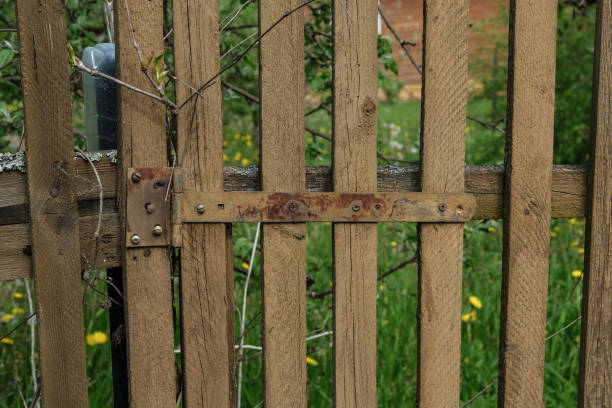
Fences take a lot of abuse from the elements, sitting outside year-round in direct contact with rain, humidity, and ground moisture without the benefit of roof coverage or regular attention. For many homeowners, the fence is one of the last exterior surfaces to get cleaning attention, often until the mold and mildew buildup becomes too noticeable to ignore. Here's what's actually happening and how to address it properly.
Why Fences Are So Prone to Mold and Mildew
Ground-Level Moisture Exposure
The bottom section of most fences sits close to or in direct contact with soil, grass, and ground-level moisture from rain and irrigation. This consistent lower-level dampness creates a particularly favorable environment for mold and mildew to establish themselves along the base of fence boards.
Limited Airflow Between Panels
Privacy fences, by design, restrict airflow through the fence line. This limited circulation means that when the fence gets wet from rain or dew, the moisture has less opportunity to dry out quickly compared to a more open structure, extending the damp conditions that allow mold and mildew to thrive.
Wood and Certain Composite Materials Are Porous
Like wood decking, wood fencing is porous enough to absorb moisture and provide a surface for mold and mildew to root into rather than just sitting on the surface. This makes removal more involved than simply wiping down a non-porous material.
Shade From Trees and Structures
Sections of fencing that run along property lines near trees or structures that cast consistent shade stay damp longer after rain than sun-exposed sections, explaining why mold and mildew growth is often concentrated more heavily in specific sections of a fence rather than evenly distributed across the entire structure.
Why Fence Appearance Matters More Than People Think
A fence is one of the larger visible elements of your property's exterior, spanning the perimeter of your yard and often visible from the street. A fence covered in dark mold streaks or general grime significantly undermines the overall impression of a well-maintained property, even if your lawn and home itself are in excellent condition.
DIY Mold Removal Methods for Fences
Diluted Bleach Solution
A diluted bleach and water mixture is a common DIY starting point for wood fence mold removal. Applied with a brush and allowed to sit briefly before rinsing, it can be effective for surface-level mold, though it requires careful handling to avoid damaging nearby plants and grass with runoff.
Specialized Deck and Fence Cleaners
Products specifically formulated for wood fence and deck cleaning tend to be gentler than straight bleach solutions and more effective than standard household cleaners, but still require scrubbing effort and often multiple applications for more established mold growth.
Why DIY Often Only Gets Part of the Way There
The core limitation of DIY fence cleaning is the same as with other porous exterior surfaces: mold that has rooted below the visible surface layer tends to return relatively quickly if only the surface appearance is addressed without breaking down the underlying growth more completely.
How Professional Power Washing Addresses Fence Mold
Pre-Treatment That Breaks Down Growth Below the Surface
Professional power washing typically includes a pre-treatment solution that chemically breaks down mold and mildew growth more thoroughly before pressure washing, rather than relying on pressure alone to address buildup that has penetrated below the visible surface layer.
Calibrated Pressure for Wood Fencing
Using the right pressure level for wood fencing specifically, lower than what might be appropriate for concrete but sufficient to thoroughly remove loosened mold and grime, is an important distinction that protects the wood surface while still achieving a deep clean.
Consistent Coverage Across the Entire Fence Line
Professionally cleaning an entire fence line thoroughly, including the often-neglected base sections closest to the ground, ensures consistent results rather than the uneven outcome that can result from manual scrubbing that's hard to apply consistently across a long fence.
How Often Should You Have Your Fence Cleaned
For most wood fences in the Fort Worth and Saginaw area, cleaning once a year or every other year keeps mold and mildew from becoming too deeply established, with more frequent attention warranted for heavily shaded sections or fences adjacent to areas with persistent moisture issues.
Extending Your Fence's Lifespan
Beyond appearance, regular cleaning and subsequent sealing or staining of wood fencing removes the trapped moisture that contributes to premature rot and material degradation. A fence that's regularly cleaned and properly maintained lasts significantly longer than one left to battle consistent mold and moisture exposure without any attention.

Restore Your Fence's Original Appearance
Mold and mildew buildup on a fence doesn't have to be a permanent feature of your property. Professional power washing restores the original appearance of your fence effectively and safely, without the risk of surface damage that can come from using the wrong pressure or technique on wood fencing.
Request your power washing quote here.

Detail You Can See. Quality You Can Trust.
Contact Us


Find us on


