blog
.avif)
How to Get Rid of Mold and Mildew on House Siding
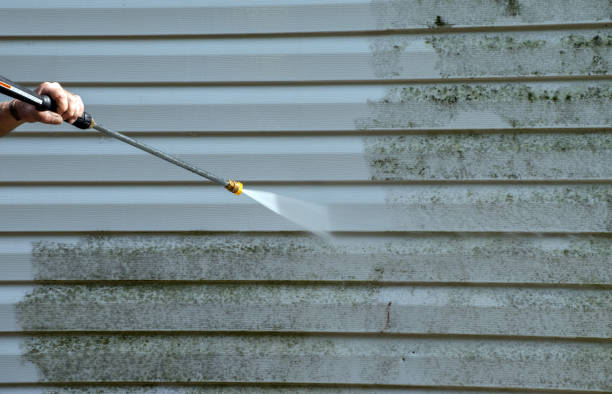
If you've noticed dark green or black streaks creeping across your home's siding, especially in shaded spots or areas that don't get much direct sunlight, you're dealing with mold or mildew growth — a problem that's incredibly common across Texas homes given the climate's mix of heat, humidity, and seasonal rain.
Beyond just looking bad, mold and mildew on siding can be a sign of trapped moisture that, left unaddressed, may eventually affect the material underneath. Here's what you need to know about why it happens and how to actually get rid of it.
Why Mold and Mildew Grow on Siding
Mold and mildew are living organisms that thrive in warm, moist environments, exactly the kind of conditions Texas weather provides for extended stretches throughout the year.
Shaded Areas Stay Damp Longer
Sections of your home that don't get much direct sunlight, whether due to tree coverage, the angle of the house, or nearby structures, stay damp longer after rain or morning dew. This extended moisture exposure is a prime breeding ground for mold and mildew.
Humidity Provides Constant Moisture in the Air
Even without direct rain contact, high humidity levels mean moisture is constantly present in the air, settling onto exterior surfaces and creating the damp conditions mold needs to establish itself.
Poor Drainage or Splashback Keeps Specific Areas Wet
Areas near downspouts, gutters that overflow, or where sprinklers consistently hit the siding tend to develop mold and mildew faster than the rest of the house, since these spots experience more concentrated and consistent moisture exposure.
Porous Siding Materials Trap Moisture More Easily
Materials like stucco, wood, and some types of fiber cement are more porous than smooth vinyl siding, meaning they can absorb and retain moisture more readily, creating conditions that are more favorable for mold growth over time.
Is Mold on Siding a Serious Problem?
While mold on exterior siding is generally less of an immediate health concern than mold growing indoors, it shouldn't be ignored. Persistent mold and mildew growth can be a visible indicator of an underlying moisture issue, and over extended periods, trapped moisture beneath the mold layer can contribute to material degradation, particularly with wood siding, where prolonged dampness can lead to rot.
There's also the simple matter of curb appeal and home value. Visible mold streaks make a home look poorly maintained, even if everything else about the property is in great shape.
DIY Mold and Mildew Removal Methods
Bleach and Water Solutions
A diluted bleach solution is a commonly recommended DIY approach for killing mold and mildew on siding. It can be effective for surface-level growth, but it requires careful application, proper protective gear, and caution around nearby plants and landscaping, since bleach runoff can damage grass and garden beds.
Specialized Mold and Mildew Cleaners
Store-bought cleaners formulated specifically for exterior mold and mildew can work reasonably well for smaller, more contained areas of growth, though they often require scrubbing and multiple applications for more established buildup.
Why Scrubbing Alone Often Falls Short
Mold and mildew can root into porous siding materials below the visible surface layer. Simply scrubbing the visible growth away can leave behind spores and roots that allow the mold to return relatively quickly, sometimes within just a few weeks.
Why Pressure Washing With the Right Approach Works Better
Professional power washing, combined with appropriate cleaning solutions, addresses mold and mildew more thoroughly than surface scrubbing alone. The key is using the right combination of pressure and pre-treatment specific to your siding material.
Pre-Treatment Breaks Down Growth at the Root
Applying a cleaning solution before pressure washing helps break down mold and mildew more completely, rather than just blasting away the visible surface layer and leaving the underlying growth to regenerate.
Correct Pressure Prevents Siding Damage
This is where DIY pressure washing often goes wrong. Too much pressure on certain siding materials, particularly wood or stucco, can cause real damage: stripped paint, gouged wood, or forced water behind the siding that leads to hidden moisture problems down the line. Professional services calibrate pressure specifically to your siding type to avoid this.
Comprehensive Coverage of Problem Areas
A professional cleaning addresses not just the most visibly affected areas, but the entire exterior, including spots that may be just starting to develop mold but aren't obvious yet from a casual glance.
Preventing Mold and Mildew From Coming Back
Trim back trees and bushes near your home. Reducing shade and improving airflow around your siding helps it dry out faster after rain, making it less hospitable to mold growth.
Check and maintain your gutters. Overflowing or clogged gutters can direct excess water down your siding, creating persistent damp areas that are prone to mold.
Redirect sprinklers away from your house. If your irrigation system regularly hits your siding, adjusting the spray pattern can significantly reduce one of the most common causes of recurring mold in specific areas.
Schedule regular power washing. Catching mold and mildew early, before it has time to root deeply into porous siding materials, makes future cleanings easier and helps prevent material damage over time.
When to Call a Professional
If DIY cleaning attempts haven't fully resolved the mold, if it keeps returning within weeks of cleaning it yourself, or if you're noticing mold across large sections of your home rather than a small contained area, it's time to bring in a professional. At that point, a proper pressure washing service with appropriate pre-treatment will deliver more thorough and longer-lasting results than continued DIY attempts.

Restore Your Siding's Appearance
Mold and mildew don't have to be a recurring frustration every time you look at your home's exterior. A thorough professional cleaning, paired with a few preventative habits, can keep your siding looking clean and healthy for much longer between treatments.
Request your power washing quote here.
Detail You Can See. Quality You Can Trust.
Contact Us


Find us on


