blog
.avif)
How Often Should You Schedule Spider Web Removal in Fort Worth?
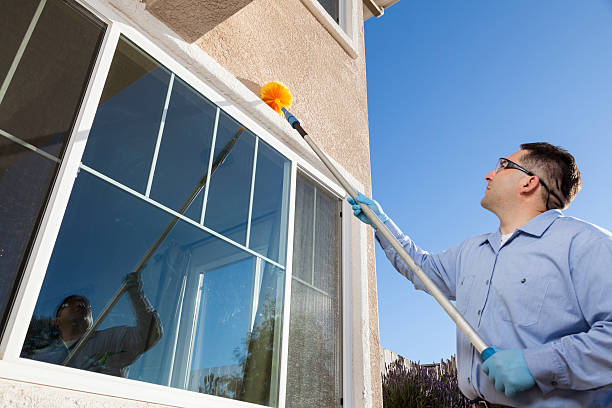
Spider web removal is one of those services where homeowners often don't have a clear framework for how frequently to schedule it. Unlike window cleaning, where twice a year is a reasonably standard starting point, spider web and bug removal frequency depends on a combination of seasonal patterns, your home's specific environmental conditions, and how quickly webs reappear after removal. Here's how to think through the right schedule for your specific Fort Worth or Saginaw property.
Why Fort Worth Specifically Has High Spider Activity
Fort Worth and the surrounding Saginaw area sit in a climate zone that keeps spider populations active for an extended portion of the year compared to regions with harsh winters. Texas's relatively mild winters mean spider populations aren't suppressed as dramatically as they are in colder climates, and the warm, humid stretches of spring through fall create sustained conditions for the insect populations that spiders feed on.
Combined with the abundant outdoor lighting common in Fort Worth residential neighborhoods, which draws flying insects that attract web-building spiders to entry areas and eaves, and the mature tree coverage in many established neighborhoods that provides natural spider habitat adjacent to homes, Fort Worth properties experience above-average spider activity compared to many other parts of the country.
The Seasonal Pattern of Spider Activity in North Texas
Spring: Activity Increases With Warming Temperatures
As temperatures warm in spring, spider activity increases significantly from the reduced winter levels. This is also when many spider species from the previous year's egg sacs begin hatching, increasing the overall population around your property. Spring represents the first major buildup period of the year for most Fort Worth homes.
Summer: Peak Activity Driven by Insect Abundance
Summer brings peak insect activity, which directly drives peak spider activity. The combination of abundant food sources and warm temperatures creates the most active web-building period of the year. Homes with significant outdoor lighting see the most concentrated summer activity, since lighting draws the insect populations that make specific locations particularly attractive to web-building spiders.
Fall: Increased Visible Activity as Spiders Seek Shelter
Fall often brings a noticeable increase in visible spider activity as spiders mature, become more visible, and in some cases seek shelter near or in structures. This is the season when many homeowners first notice significant web buildup that developed gradually through the warmer months.
Winter: Reduced but Not Eliminated Activity
North Texas winters reduce but don't eliminate spider activity, and certain species remain active through mild winter periods. Webs in sheltered areas like covered porches and enclosed eaves may continue building through winter stretches that don't experience extended cold.
The General Guideline: Three to Four Times Per Year
For most Fort Worth and Saginaw area homes with typical insect activity and standard outdoor lighting, scheduling spider web and bug removal three to four times per year, roughly once per season, keeps buildup from becoming severe between visits and addresses the distinct seasonal activity patterns described above.
This quarterly approach aligns removal timing with the natural seasonal shifts in spider activity, addressing the spring population increase, managing peak summer activity, clearing fall buildup before holiday season, and starting winter with a clean exterior.
Factors That Suggest More Frequent Service
Heavy Tree Coverage and Landscaping
Homes with mature trees and dense landscaping adjacent to the home's exterior provide habitat that supports larger local spider populations and creates more direct pathways for spiders to migrate onto the home's exterior surfaces. These properties often benefit from service every six to eight weeks during peak activity seasons rather than quarterly.
Significant Outdoor Lighting
Properties with extensive outdoor lighting, including pathway lighting, security lighting, decorative landscape lighting, and porch lighting, create more insect activity in proximity to the home that supports more active web building near these light sources. More lighting generally correlates with faster web reaccumulation after removal.
Recent Pest Activity Observations
If you've noticed that webs return within just a week or two of removal rather than taking several weeks to reaccumulate, this rapid return signals particularly high local activity levels that suggest a more frequent service schedule is warranted for your specific property.
Proximity to Natural Areas
Homes adjacent to greenbelt areas, natural drainage corridors, parks, or undeveloped land tend to experience higher pest activity from the larger natural habitat nearby. Properties in these locations typically benefit from more frequent removal service than properties in more developed, less wildlife-adjacent settings.
Factors That Allow Less Frequent Service
Newer Developments With Less Established Landscaping
Newer homes in recently developed neighborhoods with less mature landscaping and fewer established trees tend to experience lower baseline spider activity than properties in older, more established neighborhoods with decades of mature vegetation creating extensive natural habitat.
Minimal Outdoor Lighting
Properties with minimal exterior lighting have less concentrated insect activity near the home's exterior, which reduces the food source that draws web-building spiders to specific locations around the building.
Bundling Spider Web Removal With Other Services
Since spider web removal naturally aligns with other exterior maintenance services in terms of timing, bundling it with window cleaning, power washing, or other services you're scheduling during the same period reduces the number of separate service appointments needed while still ensuring all exterior areas receive appropriate attention during each visit.

Let Your Home's Specific Conditions Guide Your Schedule
The right spider web removal frequency for your Fort Worth or Saginaw home is ultimately determined by how quickly webs reappear after removal on your specific property. If your current schedule is leaving significant buildup between visits, more frequent service is warranted. If webs are still minimal at your next scheduled removal, the current frequency is working. Phillips Exterior Cleaning can help assess your home's specific conditions and recommend a service frequency that keeps your exterior consistently clear without scheduling more service than your property actually needs.

Detail You Can See. Quality You Can Trust.
Contact Us


Find us on


