blog
.avif)
How Often Should You Power Wash Your House in Texas?
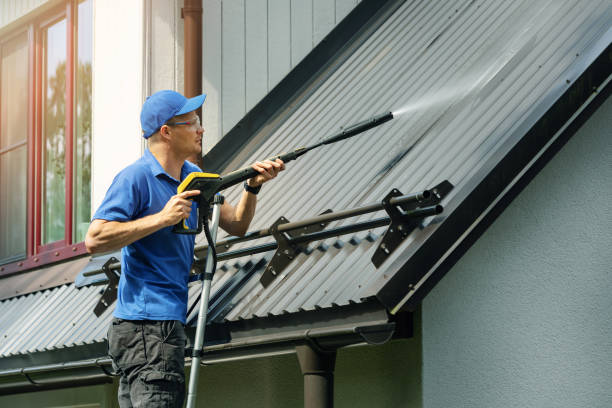
If you've ever stood in your driveway and thought, "has it really been that long since we power washed the house?" — you're not alone. Texas weather has a way of making dirt, mold, and grime build up faster than most homeowners expect, and unlike mowing the lawn, there's no obvious weekly reminder telling you it's time.
So how often should you actually be power washing your home in Texas? The honest answer depends on a few factors specific to your property, but there are clear guidelines and warning signs that make the timing a lot less confusing. Let's break it down.
Why Texas Climate Makes Power Washing a Must
Texas homes deal with a unique combination of conditions that accelerate exterior buildup compared to homes in milder climates. Understanding why this happens helps explain why power washing isn't just a cosmetic nice-to-have — it's maintenance that protects your property.
Heat and Humidity Create the Perfect Mold Environment
Hot, humid stretches throughout the year create ideal conditions for mold, mildew, and algae to take hold on siding, brick, and concrete. These organisms thrive in moisture and warmth, both of which Texas provides in abundance for large portions of the year.
Pollen and Dust Settle Fast
Spring pollen season coats everything outdoors in a fine yellow-green film, and dry, windy stretches kick up dust that settles into porous surfaces like stucco, brick, and unsealed concrete. Combined, this buildup makes your home look dull and aged faster than you'd expect.
Heavy Rain Followed by Intense Sun
Texas weather swings between heavy rain and intense sun, sometimes within the same week. This cycle creates the perfect breeding ground for algae and mildew, especially in shaded areas like under eaves, around downspouts, and on north-facing walls that don't get much direct sunlight to dry them out.
The General Rule: Once or Twice a Year
For most homes in the Fort Worth and Saginaw area, power washing once or twice a year strikes the right balance between keeping your exterior clean and not over-cleaning surfaces unnecessarily. Here's how that typically breaks down:
Once a year works well for homes that aren't heavily shaded, don't have major drainage issues, and are sided with materials that resist staining and mold growth.
Twice a year is often the better call for homes with a lot of tree coverage, persistent shade, visible mold or algae returning quickly after cleaning, or surfaces like wood siding and untreated concrete that are more porous and prone to buildup.
That said, "once or twice a year" is a general guideline — not a rule carved in stone. Several factors can shift how often your specific home needs attention.
Factors That Affect Your Power Washing Schedule
Siding and Surface Material
Different materials hold onto dirt and grow mold at different rates. Vinyl siding tends to resist staining fairly well, while stucco, brick, and wood are more porous and can trap dirt, mold spores, and mildew deeper into the surface. If your home has a more porous exterior, you may need to power wash more frequently to keep buildup from setting in.
Amount of Shade and Tree Coverage
Homes surrounded by large trees or positioned in heavily shaded yards tend to stay damp longer after rain, which speeds up mold and algae growth. If your property doesn't get a lot of direct sun exposure, expect to power wash more often than a home that bakes in full sunlight most of the day.
Proximity to Sprinklers and Irrigation
Constant exposure to sprinkler overspray keeps certain areas of your exterior consistently damp, which accelerates staining, mineral buildup, and mold growth in those specific spots. If your sprinklers regularly hit your siding, driveway, or walkways, those areas may need more frequent attention than the rest of your home.
Driveway and Walkway Usage
Concrete driveways and walkways accumulate oil stains, tire marks, and ground-in dirt from regular use. High-traffic concrete areas often benefit from more frequent power washing than vertical surfaces like siding, simply because they're constantly exposed to foot and vehicle traffic.
Warning Signs It's Time to Power Wash (Even If It's Not "Time" Yet)
Rather than rigidly sticking to a calendar, keep an eye out for these signs that your home needs power washing regardless of when you last had it done:
Visible green or black streaks on siding. This is usually algae or mold, and it tends to spread quickly once it takes hold, especially in shaded or damp areas.
Dark, slick patches on your driveway or walkway. This can indicate mold or algae growth on concrete, which becomes a slip hazard when wet — not just a cosmetic issue.
A musty smell near your foundation or siding. Persistent moisture buildup near your home's exterior can sometimes carry an earthy, musty odor that's worth addressing before it becomes a bigger problem.
Chalky or faded-looking paint and siding. Years of dirt and grime buildup can dull the appearance of paint and siding, making your home look older and less maintained than it actually is.
Spider webs and insect buildup around eaves and corners. While not a power washing issue on its own, heavy insect activity often signals an exterior that hasn't had recent attention and could use a comprehensive cleaning.
Can You Power Wash Too Often?
Yes — and this is something a lot of homeowners don't realize. Power washing too frequently, or with too much pressure, can actually damage certain surfaces over time. Wood siding can splinter or lose its protective coating, mortar between bricks can erode, and certain paint finishes can peel or wear away faster than they should with overly aggressive or overly frequent cleaning.
This is part of why hiring a professional matters more than just renting a pressure washer from the hardware store. A trained technician knows how to adjust pressure and technique based on your specific siding material, so you get a deep, effective clean without risking damage to the surface underneath.
DIY Power Washing vs. Hiring a Professional
It might seem like a simple weekend project, but power washing carries more risk than most homeowners expect. Incorrect pressure settings can strip paint, damage wood, force water behind siding (leading to hidden moisture problems), or even crack certain types of concrete and stucco.
Professional power washing services use controlled pressure calibrated to your specific surfaces, along with cleaning solutions designed to break down mold and algae without harming the material underneath. This means a deeper, longer-lasting clean with far less risk of accidentally damaging your home in the process.
Bundling Power Washing With Other Exterior Services
Since power washing and window cleaning often go hand-in-hand on a homeowner's seasonal to-do list, many companies offer the option to bundle both services into a single visit. This is a convenient way to knock out two major exterior maintenance tasks at once instead of scheduling separate appointments months apart.

Get Your Home on a Power Washing Schedule That Works
Whether your home needs power washing once a year or twice, the most important thing is staying ahead of buildup before it turns into a bigger (and more expensive) problem. A professional assessment can tell you exactly what your home's exterior needs and how often, based on your specific siding, shade coverage, and conditions.
Schedule your power washing quote here.
Detail You Can See. Quality You Can Trust.
Contact Us


Find us on


