blog
.avif)
How Dirty Windows Affect Your Home's Energy Efficiency
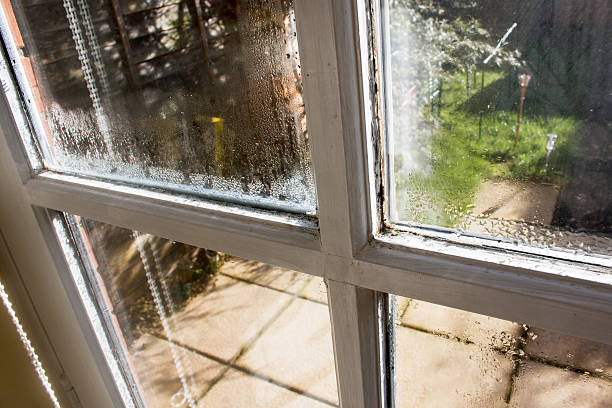
When homeowners think about improving energy efficiency, windows usually come up in the context of replacing old, drafty frames or upgrading to double-pane glass. What rarely gets mentioned is how the cleanliness of existing windows, regardless of their age or quality, can meaningfully affect how your home manages heat and natural light throughout the year. In Texas's climate specifically, this connection is more relevant than most homeowners realize.
How Glass Cleanliness Affects Light Transmission
Grime Reduces How Much Light Passes Through
Window glass covered in a layer of dust, pollen, or mineral buildup transmits less natural light into your home than clean glass does. The difference might not be dramatic enough to notice on a single pane, but across multiple windows throughout a home, the cumulative reduction in natural light can be measurable.
Less Natural Light Means More Artificial Lighting
When natural light is reduced by dirty glass, homeowners instinctively compensate by turning on interior lighting earlier in the day or leaving lights on in rooms that would otherwise be adequately lit by sunlight alone. This increased reliance on artificial lighting translates directly into higher electricity consumption over time.
The Heat Management Connection in Texas Summers
Solar Heat Gain Through Windows
Windows in direct sunlight transmit solar heat into your home's interior, which is generally something Texas homeowners want to minimize during the intense summer months to reduce cooling load on the air conditioning system.
How Dirty Glass Changes the Heat Equation
Dirt and grime on window glass can actually alter how solar heat is transmitted and absorbed. In some cases, accumulated grime absorbs more heat at the glass surface itself and radiates it into the adjacent air rather than transmitting it as light, potentially contributing to heat transfer in ways that differ from clean glass in the same position.
Low-E Coating Effectiveness
Many modern windows use low-emissivity (low-E) coatings specifically designed to manage heat transmission in either direction, keeping heat out in summer or keeping it in during winter. A layer of grime or mineral buildup over a low-E coating reduces the coating's effectiveness, since it interferes with the coating's designed interaction with light and infrared radiation.
The Winter Side of the Equation
Texas winters are mild compared to much of the country, but there are still stretches of colder weather where maximizing passive solar heat gain through south-facing windows can meaningfully reduce heating load. Clean glass maximizes the amount of available winter sunlight that passes through into your home's interior, while dirty glass reduces this passive heating benefit.
Hard Water Deposits and Long-Term Glass Performance
Mineral Buildup Permanently Affects Clarity if Left Too Long
As covered in other guides, hard water deposits from sprinklers and rain can build up into a film that eventually begins to etch into the glass surface itself if left unaddressed for extended periods. This etching permanently reduces the glass's clarity and light transmission capability in a way that cleaning alone can no longer fully reverse, making regular maintenance not just an aesthetic consideration but a long-term performance one.
Practical Energy Efficiency Benefits of Regular Window Cleaning
Maximizing Natural Daylight to Reduce Artificial Lighting Use
Keeping windows clean maximizes the natural light available in your home throughout the day, reducing the need for artificial lighting during daylight hours. While each individual window's contribution is modest, the cumulative effect across all windows in a home over the course of a year represents a meaningful reduction in lighting-related electricity use.
Supporting Low-E Coating Performance
For homes with low-E coated windows, regular cleaning maintains the coating's designed effectiveness, ensuring you're getting the full benefit of the technology you've already paid for in your window installation.
Why This Matters More in Texas Than Milder Climates
Texas's extreme summer heat makes every degree of cooling load reduction meaningful for homeowners managing significant air conditioning costs. The connection between window cleanliness and energy management is proportionally more relevant in a climate where summer cooling bills are a substantial monthly expense compared to a region with mild temperatures where heating and cooling demands are minimal.

Clean Windows Contribute to a More Efficient Home
Window cleanliness isn't a major standalone driver of energy costs, but it's a genuine contributing factor that most homeowners overlook entirely. As part of a broader approach to home efficiency, particularly in Texas's demanding climate, maintaining clean windows is one of the simplest and most accessible steps available.
Schedule your window cleaning quote here.

Detail You Can See. Quality You Can Trust.
Contact Us


Find us on


