blog
.avif)
Floating Dock Cleaning: What Texas Lake Homeowners Need to Know
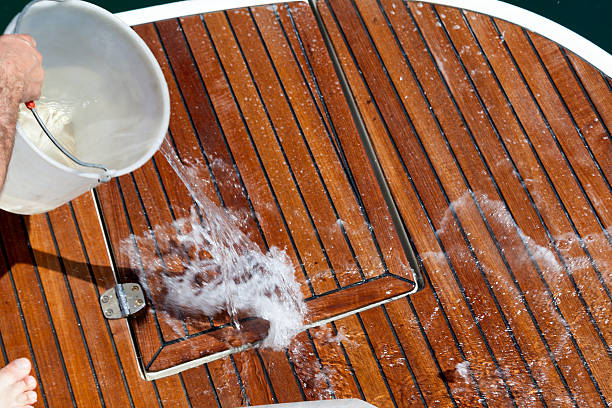
Floating docks occupy their own specific category within the broader boat dock world, distinct from fixed pier-style structures in ways that meaningfully affect how they're cleaned, maintained, and assessed for ongoing condition. For Texas lake homeowners with floating dock systems, understanding these differences helps you approach maintenance with the right expectations and the right service approach for your specific structure.
What Makes Floating Docks Different From Fixed Docks
They Move With Water Level Changes
The defining characteristic of floating docks, their ability to rise and fall with changing water levels, is also what makes their maintenance experience different from fixed structures. Unlike a fixed pier dock where the waterline zone is a stable, predictable location on support posts, a floating dock's relationship with the waterline shifts with water level changes, which affects where biological growth concentrates and how surface conditions vary across the structure.
The Entire Underside Is in Continuous Water Contact
Floating docks are supported by flotation elements, whether foam billets, sealed plastic float drums, or similar buoyancy systems, that keep the deck surface above water by maintaining the underside of the dock structure in constant water contact. This continuous underside water exposure creates a biological growth environment on the dock's lower structure that fixed pier docks only experience on their below-waterline support posts.
Movement Creates Different Wear Patterns
The gentle movement of a floating dock system in response to waves, boat activity, and wind creates wear patterns and stress points at connection hardware, anchor line attachment points, and gangway connections that fixed structures don't experience, making hardware inspection a more active consideration for floating dock maintenance than for stable fixed structures.
How Floating Docks Accumulate Algae and Grime
The Walking Surface Algae Problem Is Identical to Fixed Docks
From a surface cleaning standpoint, the deck surface of a floating dock accumulates algae, grime, and biological growth through exactly the same mechanisms as a fixed dock: constant moisture exposure, sun, and the organic material present in the lake environment. The walking surface cleaning requirements and safety considerations are identical regardless of whether the dock floats or is fixed.
Flotation Element Surfaces Accumulate Their Own Growth
The flotation elements beneath the dock deck accumulate biological growth on their submerged surfaces in addition to the deck surface above. While this underwater growth doesn't affect the walking surface safety, it can indicate overall biological activity levels around the dock and in some cases affect the performance of the flotation system if growth accumulation becomes significant.
Gangway and Transition Zones Deserve Specific Attention
The gangway connecting a floating dock to shore is one of the highest-traffic zones of the entire system, since every person accessing the dock passes through this transition point. Gangways accumulate wear and grime from concentrated foot traffic and the mechanical activity of the floating dock's movement relative to the shore connection, making them a priority cleaning zone during professional service.
Unique Maintenance Considerations for Floating Dock Systems
Anchor Line and Hardware Inspection During Cleaning
The anchor lines, anchor blocks, and associated hardware that keep a floating dock positioned correctly are critical safety and function components that benefit from inspection during cleaning visits when the dock is being actively worked on and all connection points are accessible. Hardware showing significant corrosion or wear, or anchor lines showing fraying or degradation, represent conditions worth addressing promptly given their role in maintaining the dock's proper positioning.
Gangway Hardware and Hinge Points
The hardware and hinge systems at the gangway connection experience the most mechanical stress of any component in a typical floating dock system, since they must accommodate constant relative movement between the floating dock and the fixed shore attachment point. Inspecting these components during cleaning visits helps identify wear before it progresses to failure.
Flotation System Integrity
Floating docks that use sealed plastic float drums or similar hollow flotation elements can develop leaks over time that allow water to enter the flotation chambers, reducing buoyancy and eventually affecting the dock's level and ride height. Noticing if any sections of the dock ride lower than expected, or if the dock develops a tilt over time, provides early indication of potential flotation system issues worth investigating.
Cleaning Approach for Floating Dock Surfaces
Same Surface Cleaning Principles as Fixed Docks
For the deck surface itself, the cleaning approach for floating docks follows the same principles as fixed dock cleaning: appropriate pressure for the specific decking material, pre-treatment for established algae growth, and comprehensive coverage of the full walking surface including gangway and transition zones. The material-specific guidance from the composite versus wood dock cleaning guide applies equally to floating dock surfaces made from these materials.
Stability During Cleaning Operations
Professional cleaning of floating docks accounts for the structure's movement characteristics, using technique and positioning that maintains stable working conditions on a surface that responds to weight distribution differently than a fixed structure. This movement consideration is part of why professional experience with floating dock systems specifically is worth considering when selecting a service provider.

Protect Your Floating Dock System Through Proper Care
Floating dock systems provide exceptional practicality for Texas lake homeowners dealing with variable water levels, but they require maintenance attention that accounts for their unique structural characteristics rather than treating them identically to fixed pier docks. Professional cleaning that understands floating dock systems delivers results that maintain both the safety and the longevity of your investment throughout Texas lake conditions.
Request your boat dock cleaning quote here.

Detail You Can See. Quality You Can Trust.
Contact Us


Find us on


