blog
.avif)
DIY Christmas Light Installation Hazards Homeowners Should Know
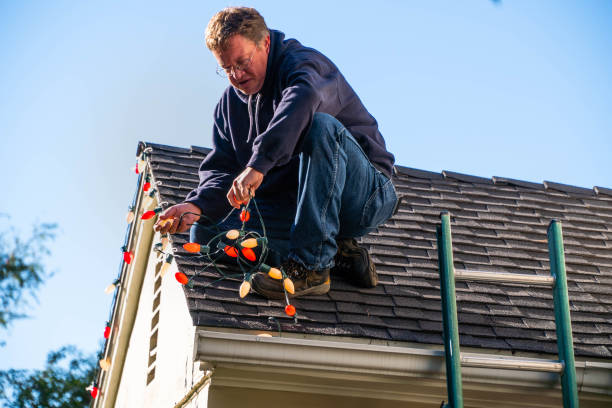
Every holiday season, emergency rooms across the country see a significant spike in ladder-related injuries tied directly to homeowners installing their own Christmas lights. It's one of those tasks that looks straightforward from the ground but introduces real, sometimes serious safety risks once you're actually up on a ladder in cold weather trying to secure lights along a roofline. Here's what you need to know about the specific hazards involved.
Ladder Falls: The Most Significant Risk
Ladder-related falls are consistently one of the leading causes of home injury during the holiday season, and Christmas light installation is a primary contributor. The specific conditions involved in holiday lighting, cold temperatures, awkward angles, carrying supplies while climbing, and reaching further than you should to avoid repositioning the ladder, combine to create particularly hazardous conditions even for homeowners experienced with basic ladder use.
Cold Weather Affects Grip and Judgment
Cold hands reduce grip strength and tactile awareness, making it harder to maintain a secure hold on both the ladder and the materials being handled. Cold temperatures also tend to make people rush, wanting to finish the job and get inside, which leads to taking shortcuts with ladder positioning and safety that wouldn't be made in more comfortable conditions.
Overreaching Is a Leading Cause of Ladder Falls
One of the most common patterns in ladder-related falls is overreaching, stretching beyond the safe working zone of the ladder to avoid repositioning it. This is especially common during light installation, where moving the ladder every few feet can feel tedious and time-consuming, tempting homeowners to stretch further than is safe.
Electrical Hazards and Overloaded Circuits
Connecting Too Many Light Strings Together
Consumer-grade Christmas light strings have specific limits on how many can safely be connected end-to-end, and exceeding this limit is a common cause of electrical issues ranging from tripped breakers to, in more serious cases, overheating and fire risk. These limits are often printed on the packaging but rarely read carefully.
Outdoor Lights Used Indoors and Vice Versa
Lights designed specifically for indoor use are not rated for outdoor weather exposure. Using indoor-rated lights outside, particularly through rain, dew, or cold temperatures, can cause insulation degradation that creates electrical hazards.
Damaged or Aged Light Strings
Consumer-grade Christmas lights degrade with each passing season. Cracked insulation, broken sockets, and damaged connections that aren't immediately obvious on a quick inspection can become electrical hazards once the lights are installed and running for extended periods.
Roof Damage From Improper Attachment Methods
Nails and Staples Through Roofing Material
Driving nails or staples directly through shingles or roofing material to secure lights creates small penetration points that can allow moisture to enter over time, potentially contributing to leaks or accelerated shingle damage. The holes created by these attachments may also not be immediately noticeable but can compound across multiple seasons of the same installation approach.
Clips That Damage Gutters
Some clip styles, particularly when improperly applied or over-tightened, can put stress on gutter edges and connections, contributing to sagging or detachment, particularly in gutters that are already carrying the weight of debris accumulation.
Why Professional Installation Eliminates These Risks
Safe, Trained Roof and Ladder Access
Professional installers are trained and equipped to work safely at height using appropriate ladders and safety practices, eliminating the fall risk that comes with homeowners attempting the same work without that training and equipment.
Proper Attachment Methods That Don't Damage Your Home
Professional installation uses clip systems specifically designed to secure lights without penetrating roofing material or stressing gutters, protecting your home from the cumulative damage that comes with nails and staples over multiple seasons.
Commercial-Grade Lights With Lower Fire and Electrical Risk
The commercial-grade LED lighting typically used by professional installers carries lower electrical and fire risk than consumer-grade string lights, with better weather resistance and far fewer bulb failures throughout the season.
One Less Hazardous Task on Your Holiday To-Do List
Beyond the practical safety benefits, professional installation removes one of the most physically hazardous items from the homeowner's holiday preparation list entirely, which is a meaningful benefit on its own for households with family members who aren't comfortable working at height.
When DIY Makes Sense and When It Doesn't
For single-story homes with easy ground-level or low-ladder access, a small, simple display, and a homeowner comfortable and experienced with ladder use, DIY installation carries lower risk than a large, multi-story installation requiring significant roofline work. The risk profile increases significantly with home height, display complexity, and any combination of cold temperatures, wet conditions, or unfamiliar ladder work.

A Beautiful Display Shouldn't Come With Unnecessary Risk
Professional Christmas light installation delivers the holiday look you want without the ladder fall risk, electrical hazards, or potential roof damage that comes with DIY installation. It's one of those services where the value goes well beyond just saving time.
Schedule your Christmas light installation quote here.
Detail You Can See. Quality You Can Trust.
Contact Us


Find us on


