blog
.avif)
Common Spiders Found Around Fort Worth Homes and What to Do
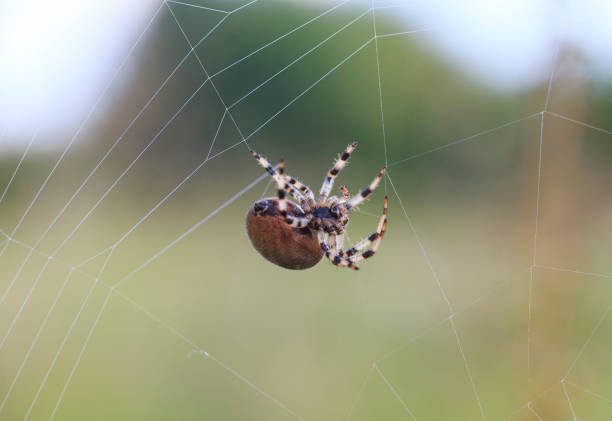
If you've spotted spiders building webs around your eaves, porch, or windows and you're not sure whether you should be concerned, you're not alone. Texas is home to a wide variety of spider species, and while most of what you'll encounter around a typical home is harmless, knowing what you're dealing with helps you decide how seriously to take the situation.
Why Fort Worth Homes See So Much Spider Activity
The combination of warm temperatures for much of the year, abundant insect populations, and plenty of sheltered spots around typical home exteriors (eaves, porches, garages) makes the Fort Worth area a particularly active environment for spiders compared to regions with harsher, more limiting climates.
Common Spider Types Around North Texas Homes
Orb Weavers
These are some of the most visible spiders you'll encounter, largely because they build the classic, intricate circular webs most people picture when they think of "spider webs." Orb weavers are generally harmless to humans and tend to build their webs in open areas where they can catch flying insects, often near porch lights or other areas with concentrated bug activity.
Wolf Spiders
Wolf spiders are larger, ground-dwelling spiders that don't build webs in the traditional sense but instead hunt actively. They're often found around foundations, garages, and woodpiles. While their size can be alarming, wolf spiders are generally not aggressive toward humans and are typically more interested in avoiding you than confronting you.
Cellar Spiders
Sometimes mistaken for daddy longlegs, cellar spiders are commonly found in garages, basements, and other dark, undisturbed areas. They're harmless to humans and actually help control other insect populations, including other spiders, in the spaces they inhabit.
Black Widows
This is the species most homeowners are understandably concerned about. Black widows are venomous and can deliver a medically significant bite, though they tend to be shy and avoid confrontation, hiding in undisturbed areas like woodpiles, storage boxes, and dark corners rather than open, high-traffic spots. If you suspect black widow activity around your property, professional removal is strongly recommended rather than DIY handling.
Brown Recluse
While less commonly encountered than some other species, brown recluse spiders are present in Texas and can deliver a bite that, in some cases, causes significant tissue damage. They tend to prefer dark, undisturbed areas, similar to black widows, and avoid open or frequently disturbed spaces.
How to Tell If You Have a Problem Species vs. Common Harmless Spiders
Most spiders you'll encounter building webs in open, visible areas around your home, like eaves, porch corners, and window frames, are harmless species such as orb weavers. The species more likely to cause real concern, like black widows and brown recluses, tend to hide in dark, undisturbed spaces rather than build prominent, visible webs in open areas.
If you're seeing a lot of visible web activity in open areas, it's most likely a harmless species responding to insect activity drawn in by your outdoor lighting. If you're finding spiders specifically in dark, cluttered, undisturbed spaces like woodpiles or storage boxes, a bit more caution is warranted, and professional removal is the safer route.
Why Removal Matters Even for Harmless Species
Even though most spiders you'll encounter around a typical Fort Worth home are harmless, that doesn't mean unchecked web buildup is something to ignore. Heavy web accumulation around eaves, corners, and entryways makes a home look neglected, can attract more insects (which in turn attracts more spiders), and creates an unpleasant experience for anyone walking through entryways covered in webs.
Reducing Spider Activity Around Your Home
Adjust outdoor lighting. Switching to yellow-toned bulbs reduces the insect activity that draws spiders to porch lights and entryways in the first place.
Clear clutter near your foundation and in storage areas. Removing piles of debris, stacked materials, or general clutter eliminates the dark, undisturbed hiding spots that species like black widows and brown recluses prefer.
Trim landscaping away from your home's exterior. Keeping bushes and trees from directly touching your siding removes an easy bridge for spiders moving from your yard onto your home.
Seal cracks and gaps around your home's exterior. This reduces entry points not just for spiders, but for the insects they feed on as well.
When to Call a Professional
If you're noticing heavy web buildup that returns quickly after DIY removal, if you've identified or suspect a venomous species on your property, or if webs have accumulated in hard-to-reach areas like high eaves and steep rooflines, professional removal is the safer and more effective option. A thorough service addresses the full scope of activity around your home rather than just the webs visible from ground level.

Keep Your Home's Exterior Clear and Comfortable
Most spiders around your Fort Worth home are simply doing what spiders do, but that doesn't mean you need to live with webs covering your entryways and eaves. A professional removal service clears out the buildup thoroughly, addressing both visible webs and the hidden spots most homeowners wouldn't think to check.
Request your spider web and bug removal quote here.

Detail You Can See. Quality You Can Trust.
Contact Us


Find us on


