blog
.avif)
Cleaning Stained Concrete Around AC Units and Outdoor Equipment
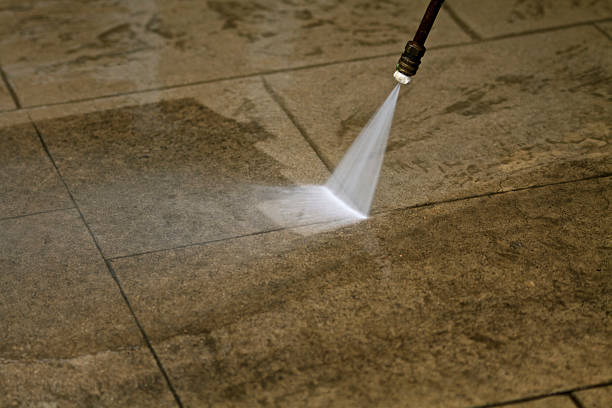
The concrete pads and surrounding surfaces near air conditioning units, HVAC equipment, generators, and other outdoor mechanical equipment develop a distinctive pattern of staining that homeowners often notice but rarely specifically address during routine exterior cleaning. These equipment-adjacent surfaces deal with specific contamination sources that differ from general driveway or patio buildup, and understanding what's happening in these specific areas helps explain both the staining and the appropriate cleaning approach.
What Stains Concrete Around AC Units and Outdoor Equipment
Condensate Discharge Creates Persistent Moisture and Mineral Deposits
Air conditioning units discharge condensate water as a normal part of their operation, and this condensate flows across the concrete pad and surrounding surfaces every time the AC runs. In Texas, where air conditioning operates for a substantial portion of the year, condensate discharge represents a significant ongoing moisture source that creates the consistently damp conditions favorable for algae and mold growth, and leaves behind mineral deposits from the water as it evaporates.
The mineral content of AC condensate varies but generally includes whatever minerals are present in your local water that has been absorbed by the refrigeration process, and in Texas's hard water environment, these mineral deposits accumulate on concrete pad surfaces into visible white or gray scaling over a full cooling season.
Rust From Metal Equipment Components
Metal equipment housings, mounting brackets, electrical conduit, and other metal components near or on concrete pads develop surface rust that leaches iron compounds onto surrounding concrete, creating the distinctive rust-orange or brown staining patterns that develop specifically where metal contacts or sits near concrete surfaces. These rust stains require oxidation-specific treatment rather than standard pressure washing to effectively address.
Algae and Mold in the Persistently Damp Zone
The combination of consistent condensate moisture, shade from the equipment housing, and the organic debris that tends to accumulate near equipment creates persistently favorable conditions for algae and mold growth on concrete in the equipment zone that may be more aggressive than growth elsewhere on the property.
Lubricant and Fluid Deposits From Equipment Maintenance
Service visits for AC systems, generators, and other outdoor mechanical equipment sometimes involve lubricant application, refrigerant handling, and other maintenance activities that can deposit fluids on surrounding concrete. These maintenance-related deposits create localized staining near service access points that accumulates over multiple service cycles.
Why These Areas Often Get Missed During Standard Cleaning
Equipment Creates Access Complications
AC units and other outdoor equipment sit directly on or adjacent to concrete surfaces, creating physical access complications that can cause these areas to be skipped during standard driveway and patio cleaning. The space under and immediately around equipment requires more deliberate attention than open concrete areas that cleaning equipment can address without maneuvering around obstacles.
Staining Patterns Are Different From Surrounding Areas
Because the specific staining in equipment zones differs from general driveway grime, standard pressure washing without targeted pre-treatment for mineral scale, rust, and condensate-specific deposits may improve the appearance of surrounding areas more effectively than the equipment-adjacent zone, leaving these specific areas looking noticeably worse than the surrounding cleaned concrete.
The Right Cleaning Approach for Equipment-Adjacent Concrete
Mineral Scale Treatment First
The calcium and mineral scale from condensate discharge requires specific mineral-dissolving treatment before pressure washing, similar to the hard water deposit treatment used for window cleaning but formulated for concrete applications. This pre-treatment breaks down the mineral bonding to the concrete surface that pressure alone cannot dislodge effectively.
Rust Treatment for Iron Staining
Rust staining on concrete requires oxidation-specific treatment products designed to convert or remove iron oxide deposits from concrete surfaces, separate from the standard cleaning approach used for organic staining. Applying these treatments specifically to rust-affected areas before pressure washing addresses the iron oxide chemistry that general cleaning doesn't target.
Careful Pressure Application Near Equipment
Pressure washing near operational equipment requires appropriate care about where water is directed, particularly avoiding forcing water into electrical components, equipment vents, or any openings where water intrusion could affect equipment operation. Professional cleaning near AC units and outdoor equipment accounts for these proximity considerations as part of service execution.
Maintaining Equipment Pad Areas Between Professional Cleanings
Simple maintenance habits that extend the clean appearance of equipment-adjacent concrete between professional visits include clearing organic debris that accumulates near equipment regularly, addressing fresh condensate scale deposits during early buildup stages before they develop into heavy mineral accumulation, and noting any new rust staining patterns that suggest developing corrosion issues in equipment components worth addressing before the rust leaching compounds further.

Don't Let Equipment Areas Undermine Your Overall Exterior
Equipment-adjacent concrete that's stained, algae-covered, and mineral-scaled creates a visible maintenance gap that's noticeable particularly when the surrounding areas have been professionally cleaned. Comprehensive exterior cleaning that specifically addresses these equipment zones delivers a consistent, uniformly clean exterior rather than obvious problem areas that contrast with the otherwise well-maintained surrounding surfaces.
Request your power washing quote here.
Detail You Can See. Quality You Can Trust.
Contact Us


Find us on


