blog
.avif)
Boat Dock Cleaning for Fishing Docks: What Anglers Should Know
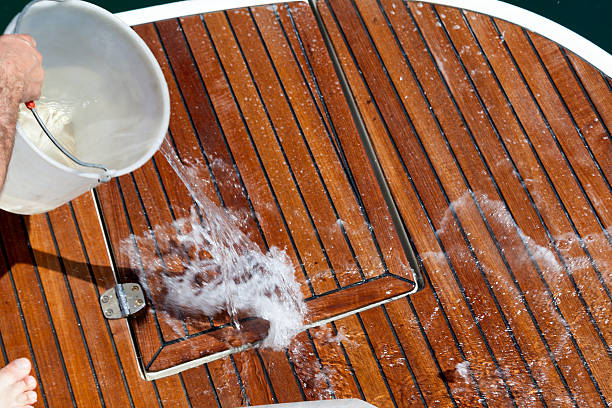
Not every Texas lake dock owner is primarily a boater. For a significant portion of waterfront property owners, the dock is used primarily as a fishing platform, and the cleaning and maintenance considerations for a fishing-focused dock have some meaningful differences from a boat-access dock in how maintenance choices affect the primary use of the structure.
How Dock Condition Affects Your Fishing Experience
Algae and Cleanliness Around the Dock Affects Fish Activity
This is perhaps the most counterintuitive aspect of dock cleaning for dedicated anglers: some level of algae and biological growth on dock structure below the waterline actually attracts baitfish and the predatory fish that follow them, since submerged structure with organic growth provides habitat that fish actively seek out.
The Critical Distinction: Below Waterline vs. Walking Surface
The fish-attracting biological activity relevant to fishing happens below the waterline on submerged structural elements, not on the dock's walking surface. The algae on your walking surface is purely a safety and maintenance issue with no fishing benefit whatsoever, while the biological activity on submerged structure represents a genuinely different consideration.
Keeping This Distinction in Mind When Scheduling Cleaning
A professional dock cleaning service that understands the fishing dock context focuses cleaning attention on the walking surface and above-waterline areas where algae creates slip hazards and structural concerns, without necessarily treating every trace of below-waterline biological activity as something to eliminate entirely.
Safety on a Fishing Dock: Unique Considerations
Anglers Move Quickly and Unpredictably
Unlike a boat dock where movement is somewhat deliberate around the process of boarding and departing a vessel, fishing involves more dynamic, reactive movement as anglers cast, set hooks, fight fish, and net catches. This active, sometimes rapid movement on a dock surface makes slip hazard prevention particularly important for fishing docks, since a quick step sideways to follow a running fish is exactly the kind of unguarded movement that encounters an algae-slicked surface unexpectedly.
Wet Lines and Tackle Create Additional Trip Hazards
Beyond the walking surface itself, active fishing creates wet fishing lines, tackle bags, bait containers, and other equipment that accumulate on the dock surface during use. A clean, well-maintained dock surface provides a safer foundation for managing this equipment than a slick, algae-covered surface where adding wet lines and gear to the equation compounds the slip and trip risk.
Night Fishing Amplifies the Importance of Safe Surfaces
Many Texas anglers fish during early morning or evening hours when light conditions are reduced. A dock with a clean, non-slip surface is significantly safer for low-light fishing than one with algae buildup that's difficult to see and avoid in partial darkness.
How Regular Cleaning Protects Your Fishing Dock Structure
Fishing-Specific Wear on Dock Surfaces
Fishing docks experience some forms of wear that boat docks don't deal with as directly, including fish cleaning activity that leaves organic residue, bait bucket overflow, and the repeated impact of tackle boxes and equipment being set down and moved. These activities contribute to surface contamination that benefits from regular professional cleaning just as standard algae and grime buildup does.
Fish Cleaning Areas Require Targeted Attention
Dedicated fish cleaning stations or areas of the dock where fish are regularly cleaned accumulate concentrated organic residue that can contribute to accelerated surface staining, persistent odor, and faster biological growth in those specific areas. Targeting these zones specifically during professional cleaning maintains the overall dock condition despite the concentrated activity in these areas.
Coordinating Cleaning With Fishing Seasons and Patterns
Cleaning Before Peak Fishing Seasons
Scheduling a professional cleaning before the fishing seasons you use your dock most heavily, whether that's bass season, catfish season, or whatever species drives your primary fishing activity, ensures the dock is in safe, clean condition heading into your highest-use periods rather than dealing with significant buildup during active season.
Considering Fish Activity Patterns Around Dock Cleaning
Some anglers prefer to schedule dock cleaning during periods when fish activity around the dock structure is naturally lower, rather than during peak spawning periods when the biological activity on dock structure may be at its most productive for attracting fish. This is an individual consideration that varies based on your specific fishing patterns and the fish species you primarily target.

Maintaining Your Fishing Dock as a Long-Term Asset
Whether your fishing dock sees daily use during season or occasional weekend visits, it represents a meaningful addition to your waterfront property that rewards consistent maintenance attention. A clean, well-maintained fishing dock is safer for every use, protects the structural investment over the long term, and provides a better overall experience for every hour spent fishing from it.
Request your boat dock cleaning quote here.

Detail You Can See. Quality You Can Trust.
Contact Us


Find us on


