blog
.avif)
Best Time of Year to Clean Solar Panels in Texas
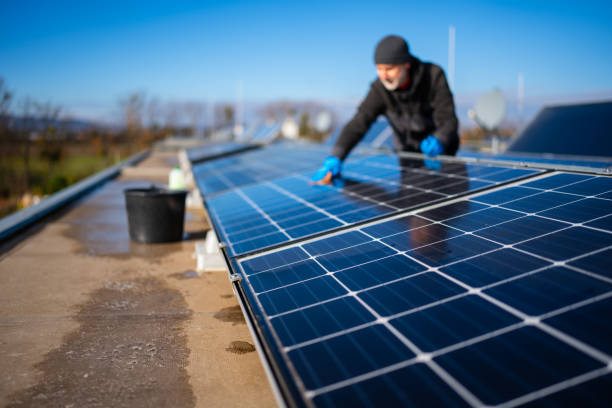
Solar panel cleaning isn't something most homeowners think about until they happen to notice a layer of grime on the panels or a dip in their energy production. But timing your cleanings around Texas's seasonal patterns, rather than just reacting after the fact, can help you get more consistent performance out of your system year-round.
Why Seasonal Timing Matters for Solar Panel Cleaning
Texas weather moves through fairly distinct seasonal patterns each year, and each one affects solar panels differently. Understanding these patterns helps you anticipate buildup before it significantly impacts your system's output, rather than discovering the issue only after noticing a drop in production.
Spring: The Pollen Problem
Spring is one of the most challenging seasons for solar panel cleanliness in Texas. Pollen blankets outdoor surfaces, including solar panels, in a fine yellow-green film that can significantly reduce how much sunlight reaches the photovoltaic cells underneath.
Why Pollen Is Particularly Problematic for Panels
Unlike dust, which tends to be more evenly distributed and lighter, pollen can be sticky and clump together, especially after a light rain that's not quite enough to fully rinse it away. This creates a film that lingers on the panel surface for weeks if not addressed.
Scheduling a Cleaning After Peak Pollen Season
Once pollen season has passed its peak, typically as spring transitions into early summer, scheduling a cleaning helps remove the accumulated film before it has months to bake onto the panel surface under increasingly intense summer sun.
Summer: Dust, Heat, and Reduced Rainfall
Texas summers bring intense heat and often drier conditions with less consistent rainfall to naturally rinse panels. Combined with dust kicked up by dry conditions and occasional wind, panels can accumulate a steady layer of grime throughout the summer months.
Heat Can Make Buildup More Stubborn
Higher temperatures can essentially "bake" dust and grime onto the panel surface more firmly than buildup that occurs during cooler, wetter conditions, making a mid-to-late summer cleaning particularly valuable for restoring full efficiency before fall.
Fall: Falling Leaves and Debris
While leaves themselves don't typically land directly on most roof-mounted solar panel arrays, fall can bring debris, dust, and organic matter that settles on panels, particularly for homes with significant tree coverage near the roofline.
Preparing for Winter's Shorter Days
Since fall and winter naturally bring shorter daylight hours, maximizing efficiency during the sunlight you do get becomes even more important. A fall cleaning ensures your panels are operating at full capacity heading into the season with the least natural sunlight.
Winter: Lower Maintenance Need, But Still Worth Monitoring
Winter in Texas is generally milder than other parts of the country, but occasional rain and reduced sunlight hours mean panels may not naturally self-clean as effectively as they might during a heavier rain season. Monitoring your system's output during winter can help you decide if an additional cleaning is warranted before spring pollen season begins the cycle again.
How Often Should You Clean Based on Seasonal Patterns
For most Texas homeowners, this generally translates to two cleanings per year as a solid baseline: one after peak pollen season in late spring, and one toward the end of summer or early fall to address dust and heat-baked grime before winter. Homes with heavier tree coverage, more bird activity, or proximity to construction or busy roads may benefit from a third cleaning to stay ahead of more rapid buildup throughout the year.
Signs You Need a Cleaning Outside Your Regular Schedule
A noticeable drop in energy production that doesn't align with seasonal sunlight changes. If your system's output has declined more than expected for the time of year, buildup is a likely contributing factor worth addressing immediately rather than waiting for your next scheduled cleaning.
Visible grime or spotting you can see from the ground. If buildup is visible without close inspection, it's likely affecting a meaningful portion of your panel's surface area.
A particularly heavy pollen or dust season. If your area has experienced unusually heavy pollen or dry, dusty conditions, it may be worth scheduling a cleaning earlier than your typical seasonal timeline.
Why Professional Cleaning Matters Regardless of Season
No matter what time of year you schedule a cleaning, using purified water and soft, non-abrasive brushes designed specifically for solar panels protects the panel's protective coating from scratching and prevents new mineral spotting that standard tap water can leave behind as it dries.

Stay Ahead of Seasonal Buildup
Rather than waiting until you notice a drop in energy production, scheduling solar panel cleanings around Texas's seasonal patterns helps you maintain more consistent efficiency throughout the entire year. A proactive approach protects the investment you've already made in your solar system.
Schedule your solar panel cleaning quote here.

Detail You Can See. Quality You Can Trust.
Contact Us


Find us on


